

Инновационные материалы для современных пожарных шлемов
Время публикации:2025-12-17 00:01:10
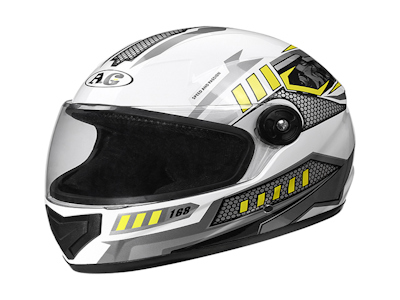
В мире пожарной безопасности каждый элемент снаряжения играет критически важную роль, но ни один не является столь же символичным и функционально значимым, как пожарный шлем. С течением времени эти шлемы эволюционировали от простых металлических конструкций до высокотехнологичных устройств, оснащенных передовыми материалами, которые не только защищают от тепла и ударов, но и интегрируют коммуникационные системы, системы освещения и даже датчики окружающей среды. Инновационные материалы, такие как композиты на основе углеродного волокна, кевлар, поликарбонаты и огнестойкие полимеры, революционизируют дизайн и производительность современных пожарных шлемов, обеспечивая беспрецедентный уровень защиты и комфорта для пожарных, которые ежедневно рискуют своими жизнями.
Исторически пожарные шлемы изготавливались из кожи или металла, таких как латунь или сталь, которые предлагали базовую защиту, но были тяжелыми, неудобными и ограниченными в своих возможностях. Однако с развитием технологий и ростом осознания важности безопасности труда, индустрия начала внедрять новые материалы. В 1960-х годах появились первые полимерные шлемы, которые были легче и более устойчивы к коррозии. Сегодня, благодаря непрерывным исследованиям и разработкам, современные пожарные шлемы используют композитные материалы, сочетающие прочность, легкость и термостойкость. Например, углеродное волокно, известное своим высоким отношением прочности к весу, позволяет создавать шлемы, которые весят на 30-40% меньше традиционных аналогов, не жертвуя защитными свойствами. Это не только снижает усталость пожарных during prolonged operations но и улучшает мобильность, что может быть решающим фактором в критических ситуациях.
Кевлар, арамидное волокно, изначально разработанное для бронежилетов, стало ключевым материалом в производстве пожарных шлемов due to its exceptional resistance to heat and impact. При воздействии высоких температур кевлар не плавится и не горит, а instead chars, forming a protective barrier that insulates the wearer. Это свойство делает его идеальным для внешней оболочки шлема, где он может выдерживать temperatures up to 500°C без значительной деформации. Кроме того, кевлар обладает высокой прочностью на разрыв, что помогает поглощать энергию ударов от падающих обломков или других hazards на месте пожара. В комбинации с другими материалами, такими как стекловолокно или поликарбонат, кевлар создает многослойную структуру, которая распределяет force impacts and reduces the risk of traumatic brain injury. Исследования показывают, что шлемы с кевларовыми компонентами могут снизить передачу ударной энергии на 50% compared to older designs, significantly enhancing safety.
Поликарбонаты, тип термопластичных полимеров, широко используются для visors and face shields пожарных шлемов due to their optical clarity, impact resistance, and thermal stability. Эти материалы могут быть обработаны to withstand temperatures up to 120°C while maintaining transparency, which is crucial for visibility in smoky environments. Advanced coatings, such as anti-fog and anti-scratch treatments, further improve functionality, ensuring that пожарные can see clearly even in adverse conditions. Moreover, polycarbonates are lightweight and can be molded into complex shapes, allowing for ergonomic designs that fit snugly and provide a secure seal against smoke and toxins. Integration of materials like polycarbonate with nanocomposites, which incorporate nanoparticles for enhanced properties, is a cutting-edge trend. For instance, adding silicon dioxide nanoparticles can increase thermal resistance and reduce weight, making the helmets even more efficient.
Огнестойкие полимеры, such as phenolic resins or polybenzimidazole (PBI), are employed in inner linings and padding to provide additional thermal insulation and comfort. These materials are designed to resist ignition and slow the spread of flame, protecting the wearer's head from radiant heat. PBI, in particular, is renowned for its ability to maintain structural integrity at temperatures exceeding 500°C and its low thermal conductivity, which helps keep the interior of the helmet cool. Comfort is a critical factor, as пожарные often wear their helmets for extended periods; thus, materials must also be breathable and moisture-wicking to prevent overheating and discomfort. Modern helmets incorporate moisture-management fabrics, such as those made from meta-aramid fibers, which draw sweat away from the skin and promote evaporation, enhancing overall wearability.
Инновации не ограничиваются материалами themselves; smart technologies are being integrated into пожарные шлемы, using advanced composites as a foundation. For example, embedded sensors can monitor vital signs of the firefighter, such as heart rate and body temperature, alerting command centers to potential health issues. Communication systems, built into the helmet using lightweight conductive materials, enable seamless coordination between team members. GPS modules and environmental sensors can detect hazardous gases or oxygen levels, providing real-time data to improve decision-making. These integrations rely on the durability and electromagnetic compatibility of the base materials, such as carbon fiber composites that can shield electronic components from interference while remaining resistant to heat and impact.
Производственные процессы also benefit from these innovative materials. Techniques like injection molding for polymers or vacuum-assisted resin transfer molding (VARTM) for composites allow for mass production of customized helmets with precise tolerances. This not only reduces costs but also ensures consistency in quality and performance. Sustainability is another consideration; many modern materials are recyclable or derived from renewable sources, aligning with growing environmental concerns in the industry. For instance, bio-based polymers are being explored as alternatives to traditional petroleum-based ones, offering similar performance with a lower carbon footprint.
Despite these advancements, challenges remain, such as the high cost of advanced materials like carbon fiber and the need for continuous testing to meet stringent safety standards set by organizations like NFPA (National Fire Protection Association) or ГОСТ in Russia. However, the benefits far outweigh the drawbacks. Case studies from fire departments worldwide show that helmets made with innovative materials have reduced injury rates and improved operational efficiency. For example, after switching to composite helmets, one department reported a 20% decrease in head-related incidents during firefighting operations.
В будущем, we can expect further innovations, such as the use of shape-memory alloys for self-adjusting fits or nanomaterials that offer self-healing properties. Collaboration between material scientists, engineers, and firefighters will drive these developments, ensuring that пожарные шлемы continue to evolve to meet the demands of increasingly complex emergency scenarios. Ultimately, the adoption of innovative materials is not just about enhancing protection; it's about empowering those who risk their lives to save others, giving them the tools they need to perform their duties safely and effectively.
In conclusion, modern пожарные шлемы represent a triumph of material science and engineering. By leveraging materials like carbon fiber, Kevlar, polycarbonate, and fire-resistant polymers, these helmets provide superior protection, comfort, and functionality. As technology advances, we will see even more integrated features that make firefighting safer and more efficient. For fire departments and individual пожарные, investing in helmets made from these innovative materials is a crucial step towards ensuring safety and saving lives. The evolution of пожарные шлемы is a testament to human ingenuity and the relentless pursuit of better ways to protect those who protect us.
Этот обзор подчеркивает, насколько важны инновационные материалы в современном пожарном снаряжении. Они не только улучшают индивидуальную безопасность, но и способствуют overall effectiveness firefighting efforts. As we move forward, continuous research and development will unlock new possibilities, making пожарные шлемы even more advanced and reliable. For anyone involved in fire safety, understanding these materials is essential for making informed decisions about equipment procurement and usage.
Таким образом, embracing these innovations is key to building a safer future for firefighters everywhere. The journey from traditional materials to today's high-tech composites illustrates how far we've come and hints at the exciting advancements yet to come. Let's continue to support and invest in these life-saving technologies, ensuring that every пожарный has the best possible protection on the front lines.