

Какая именно технология обеспечивает сверхъяркое освещение нового поколения шлемов для горных работ
Время публикации:2025-12-16 20:01:10
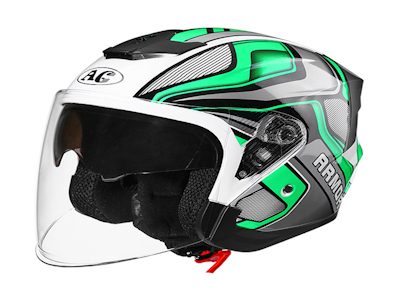
В современном мире горнодобывающей промышленности безопасность и эффективность являются ключевыми приоритетами. Одним из наиболее важных аспектов является освещение, которое не только позволяет работникам видеть в темных и опасных условиях, но и способствует предотвращению аварий. Новое поколение шлемов для горных работ оснащено сверхъярким освещением, и это достижение стало возможным благодаря ряду инновационных технологий. В этой статье мы подробно рассмотрим, какие именно технологии лежат в основе этого прорыва, и как они преобразуют отрасль.
Введение в проблему освещения в горных работах
Горнодобывающая промышленность традиционно сталкивается с вызовами, связанными с плохой видимостью. Шахты и карьеры часто характеризуются низким уровнем освещения, что увеличивает риски падений, столкновений с оборудованием и других несчастных случаев. Исторически для освещения использовались лампы накаливания или галогенные источники света, которые были неэффективны, потребляли много энергии и имели ограниченный срок службы. Однако с развитием технологий произошел значительный скачок вперед. Современные шлемы интегрируют сверхъяркие системы освещения, которые не только улучшают видимость, но и экономят энергию, увеличивают продолжительность работы и обеспечивают дополнительную безопасность. Но что же стоит за этим прогрессом? Ответ кроется в комбинации светодиодных технологий, интеллектуального управления и материаловедения.
Светодиодная революция: основа сверхъяркого освещения
Светодиоды (LED) стали краеугольным камнем современного освещения, и их применение в шлемах для горных работ не является исключением. По сравнению с традиционными лампами, светодиоды предлагают ряд преимуществ: они более энергоэффективны, имеют longer lifespan, и способны производить intense light with minimal heat generation. В контексте горных работ это особенно важно, так как workers often operate in confined spaces where heat can be a hazard. Современные сверхъяркие светодиоды, такие как those based on gallium nitride (GaN) technology, can achieve luminosities of over 1000 lumens while consuming less power. Это позволяет шлемам обеспечивать освещение, comparable to daylight, even in the darkest environments. Кроме того, светодиоды могут быть настроены на различные color temperatures, что улучшает contrast and reduces eye strain during long shifts.
Интеллектуальные системы управления: оптимизация производительности
Помимо самих светодиодов, ключевую роль играют интеллектуальные системы управления. These systems include microcontrollers and sensors that adjust the brightness based on ambient light conditions. For example, if a miner enters a particularly dark area, the system can automatically increase the light output to maximum, ensuring optimal visibility. Conversely, in brighter areas, it can dim to save battery life. Некоторые передовые шлемы также incorporate motion sensors or accelerometers to detect movement and adjust lighting accordingly, reducing energy waste when the helmet is not in use. Additionally, wireless connectivity allows for remote monitoring and updates, enabling manufacturers to improve performance through software enhancements. This level of automation not only enhances safety but also extends the operational time of the helmet between charges.
Материалы и дизайн: обеспечение durability and efficiency
Технология освещения не ограничивается только электроникой; materials and design play a crucial role in achieving super-bright illumination. Современные шлемы используют lightweight yet durable materials like polycarbonate or advanced composites that can withstand the harsh conditions of mining environments. The optical components, such as lenses and reflectors, are engineered to maximize light output and distribution. For instance, precision-molded lenses can focus the light into a tight beam for long-range visibility or a wide beam for peripheral coverage. Heat management is also critical; heat sinks made from aluminum or copper are integrated to dissipate heat from the LEDs, preventing overheating and ensuring consistent performance. This holistic approach to design ensures that the lighting system is not only bright but also reliable and long-lasting.
Батарейные технологии: источник энергии для продолжительной работы
Чтобы поддерживать сверхъяркое освещение, шлемы требуют efficient power sources. Lithium-ion batteries have become the standard due to their high energy density and long cycle life. These batteries can power the LEDs for extended periods, often up to 10-12 hours on a single charge, depending on the brightness settings. Moreover, advancements in battery management systems (BMS) help optimize charging and discharging, reducing the risk of failures and extending overall battery lifespan. Some helmets even feature solar charging or kinetic energy harvesting options, though these are less common in mining applications due to the lack of sunlight underground. The integration of quick-charge technology allows miners to recharge their helmets during breaks, minimizing downtime.
Сравнение с традиционными методами: почему новая технология превосходит
Традиционные методы освещения, такие как лампы накаливания или газовые лампы, сильно уступают современным решениям. Они consume more power, produce less light, and have shorter lifespans. For instance, a typical halogen lamp might output around 500 lumens but require frequent replacements and generate significant heat. In contrast, LED-based systems can deliver over 1000 lumens with better efficiency and durability. This not only reduces operational costs but also enhances safety by providing consistent and reliable illumination. Furthermore, the ability to integrate smart features means that new helmets can adapt to changing conditions, something impossible with older technologies.
Будущие тенденции: что ждет впереди
Технология продолжает развиваться, и будущее сверхъяркого освещения в шлемах для горных работ выглядит еще более promising. Researchers are exploring organic LEDs (OLEDs) and quantum dot technologies that could offer even higher brightness and color accuracy. Additionally, the integration of artificial intelligence (AI) could enable predictive lighting adjustments based on miner behavior or environmental data. For example, AI algorithms could analyze patterns of movement to optimize light distribution in real-time. Another emerging trend is the use of augmented reality (AR) displays integrated into the helmet, overlaying vital information such as maps or sensor readings directly into the field of view. These advancements will further revolutionize safety and efficiency in mining operations.
Заключение: значение для отрасли и безопасности
В заключение, сверхъяркое освещение нового поколения шлемов для горных работ стало возможным благодаря synergy of LED technology, intelligent control systems, advanced materials, and efficient power sources. Эти инновации не только улучшают видимость, но и вносят вклад в overall safety and productivity in the mining industry. By reducing accidents and enhancing operational efficiency, these technologies help save lives and reduce costs. As we look to the future, continued investment in R&D will likely lead to even more groundbreaking developments, making mining safer and more sustainable. Ultimately, the answer to the question posed in the title is clear: it is the combination of these cutting-edge technologies that enables the super-bright illumination, marking a significant leap forward for the industry.