
Пять ключевых факторов влияющих на защитные свойства шлема
Время публикации:2026-01-25 20:01:10
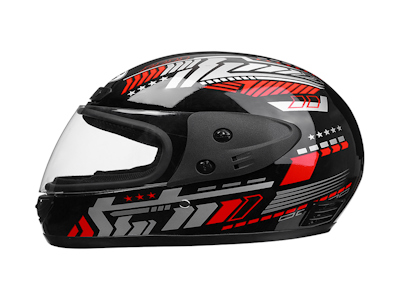
Защитные шлемы являются незаменимым элементом безопасности в различных сферах деятельности, от строительства и промышленности до спорта и военного применения. Их основная функция — защита головы от травм, вызванных ударами, проникновением объектов или другими опасностями. Однако не все шлемы одинаково эффективны, и их защитные свойства зависят от множества факторов. В этой статье мы подробно рассмотрим пять ключевых факторов, которые оказывают наибольшее влияние на защитные свойства шлема. Понимание этих факторов поможет вам выбрать оптимальное средство защиты, обеспечить свою безопасность и избежать серьезных последствий в критических ситуациях. Мы углубимся в детали, включая научные основы, современные технологии и практические рекомендации, чтобы предоставить исчерпывающее руководство.
1. Материалы изготовления
Материалы, из которых изготовлен шлем, играют фундаментальную роль в определении его защитных свойств. Они должны обладать высокой прочностью, ударопоглощающей способностью и долговечностью. Традиционно шлемы изготавливались из металлов, таких как сталь или алюминий, которые обеспечивают хорошую защиту от проникновения, но могут быть тяжелыми и не всегда эффективно поглощают энергию удара. Современные материалы, такие как поликарбонат, ABS-пластик и композитные материалы на основе углеродного волокна, стали более популярными благодаря своей легкости, прочности и способности к деформации при ударе, что рассеивает энергию и снижает риск травм. Например, поликарбонат часто используется в спортивных шлемах из-за его высокой ударной вязкости, в то время как композитные материалы, такие как кевлар или стекловолокно, применяются в военных и промышленных шлемах для сочетания легкости и повышенной защиты. Кроме того, внутренняя подкладка, обычно из пенополистирола или других вспененных материалов, критически важна для амортизации ударов. Эти материалы сжимаются при воздействии, поглощая энергию и уменьшая передачу силы на голову. Исследования показывают, что оптимальное сочетание внешней оболочки и внутренней подкладки может снизить пиковое ускорение при ударе на 50% и более, что напрямую влияет на снижение риска сотрясения мозга или других черепно-мозговых травм. При выборе шлема обратите внимание на сертификацию материалов: например, стандарты EN или ASTM требуют использования определенных материалов, прошедших rigorous testing. В будущем, с развитием нанотехнологий и умных материалов, мы можем увидеть шлемы с самовосстанавливающимися свойствами или встроенными датчиками, которые further enhance protective capabilities. Таким образом, material selection is not just about durability but about a holistic approach to energy management and user comfort.
2. Конструкция и дизайн
Конструкция шлема — это еще один crucial factor that determines how well it can protect the wearer. A well-designed helmet should distribute impact forces evenly, provide stability, and ensure proper fit. Key elements of design include the shape, thickness, and geometry of the shell, as well as the arrangement of internal components. For instance, helmets with a rounded or streamlined shape are better at deflecting impacts compared to flat surfaces, which might concentrate force. The thickness of the shell also matters: too thin, and it may not absorb enough energy; too thick, and it could be cumbersome. Modern designs often incorporate multi-layer constructions, where an outer hard shell resists penetration and an inner soft layer absorbs shock. Additionally, features like vents, visors, and attachment points for accessories should be integrated without compromising safety. Ergonomics play a vital role too—a helmet that doesn't fit well can shift during an impact, reducing its effectiveness. Studies in biomechanics have shown that helmets with optimized curvature and weight distribution can reduce rotational forces on the brain, which are a major cause of concussions. In sports like cycling or motorcycling, aerodynamic designs not only improve performance but also enhance protection by reducing drag and stability issues. When evaluating a helmet's design, look for certifications that test structural integrity, such as drop tests or penetration tests. Innovations like MIPS (Multi-directional Impact Protection System) in some helmets add a low-friction layer to allow slight movement, further mitigating rotational injuries. Ultimately, good design balances protection, comfort, and usability, making it a key factor in overall helmet performance.
3. Стандарты сертификации и тестирования
Сертификация и тестирование шлемов являются essential for ensuring that they meet minimum safety standards. Various organizations worldwide, such as the European Committee for Standardization (CEN), the American Society for Testing and Materials (ASTM), or the Department of Transportation (DOT) in the US, establish protocols to evaluate helmets based on impact resistance, penetration resistance, retention system strength, and other criteria. These standards ensure that helmets can withstand specific forces模拟 real-world scenarios, like a fall from a height or a collision. For example, the EN 397 standard for industrial helmets requires testing for impact absorption, penetration, and flammability, while sports helmets might adhere to standards like EN 1078 for cycling. Compliance with these standards is a strong indicator of a helmet's protective properties, as it means the product has undergone rigorous laboratory tests. However, it's important to note that standards vary by region and application, so a helmet certified for one use might not be suitable for another. Additionally, some certifications include requirements for materials and design, as discussed earlier. When choosing a helmet, always check for relevant certifications on the label or in the product documentation. Beyond mandatory standards, voluntary testing by organizations like Snell Memorial Foundation provides even higher levels of assurance. These tests often involve more severe impact scenarios, ensuring that the helmet offers superior protection. In recent years, there has been a push towards harmonizing global standards to improve consistency and safety worldwide. Understanding these certifications helps consumers make informed decisions and avoid subpar products that could fail in critical moments. Thus, certification is not just a legal requirement but a vital factor in gauging a helmet's reliability.
4. Технологические инновации и дополнительные функции
Технологические advancements have significantly enhanced the protective properties of helmets over the years. Innovations range from improved materials and manufacturing processes to smart features that integrate electronics for added safety. For instance, the use of computer-aided design (CAD) and finite element analysis (FEA) allows engineers to simulate impacts and optimize helmet structures before physical production, leading to more effective designs. Additive manufacturing, or 3D printing, is也开始 применяться для создания customized helmets that fit perfectly to an individual's head shape, improving both comfort and protection. Smart helmets equipped with sensors can monitor impact forces in real-time, alerting the wearer or emergency services in case of a severe accident. Some even include communication systems, GPS, or heads-up displays for enhanced usability in sports or military applications. Another innovation is the development of helmets with active protection systems, such as airbags that deploy upon impact to provide additional cushioning. These technologies not only improve immediate safety but also contribute to long-term health by reducing the risk of chronic injuries. However, it's crucial that these additions do not compromise the core protective functions—for example, electronics should be securely integrated without creating weak points in the shell. Research and development in this area are ongoing, with focus on making helmets lighter, stronger, and more adaptive. When considering a helmet with technological features, ensure that they are backed by testing and do not interfere with certifications. Ultimately, innovation drives progress in helmet safety, but it must be balanced with practicality and reliability to truly enhance protective properties.
5. Условия эксплуатации и обслуживание
Условия, в которых используется шлем, и how it is maintained are critical factors that affect its protective properties over time. Even the best helmet can fail if exposed to harsh environments, improper storage, or lack of maintenance. Factors such as temperature extremes, UV radiation, moisture, and chemical exposure can degrade materials, reducing their strength and impact absorption capabilities. For example, prolonged exposure to sunlight can cause plastics to become brittle, while moisture can lead to corrosion of metal components or mold growth in padding. It's essential to follow manufacturer guidelines for storage—typically in a cool, dry place away from direct sunlight. Regular inspection is also key: check for cracks, dents, or signs of wear on the shell and interior. If a helmet has been involved in an impact, it should be replaced immediately, as hidden damage may compromise its integrity. Cleaning should be done with mild soap and water, avoiding harsh chemicals that could weaken materials. Additionally, the fit of the helmet can change over time due to wear or adjustments, so ensure that straps and retention systems are tight and functional. In occupational settings, helmets may be subject to specific regulations for replacement intervals, often recommended every few years or after any significant event. User behavior also plays a role; for instance, not fastening the chin strap properly can render even a high-quality helmet ineffective. Education and training on proper use are therefore vital. By paying attention to эксплуатации и обслуживанию, you can extend the life of your helmet and ensure it provides maximum protection when needed. This factor underscores that protection is not just about the product itself but about how it is used and cared for in real-world scenarios.
В заключение, защитные свойства шлема зависят от комплексного взаимодействия материалов, конструкции, сертификации, технологий и условий использования. Понимание этих пяти ключевых факторов позволяет сделать informed choice и поддерживать высокий уровень безопасности. Всегда выбирайте шлемы, соответствующие вашим needs и сертифицированные надежными организациями, и не забывайте о регулярном обслуживании. Будьте в безопасности!