
Поликарбонатные шлемы: безопасность или маркетинговый ход
Время публикации:2026-01-22 00:01:10
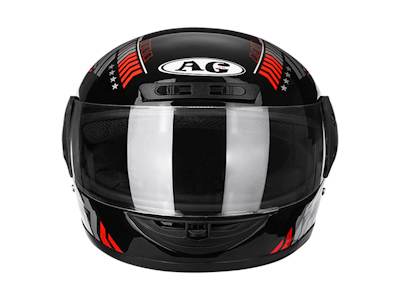
В современном мире безопасность на дорогах становится все более актуальной темой, особенно для велосипедистов, мотоциклистов и других участников движения. Шлемы из поликарбоната часто рекламируются как легкие, прочные и доступные варианты защиты. Но так ли они надежны, как утверждают производители? В этой статье мы глубоко исследуем поликарбонатные шлемы, анализируя их преимущества, недостатки, и разоблачая возможные маркетинговые уловки. Мы рассмотрим научные данные, сравнительные тесты и мнения экспертов, чтобы помочь вам сделать informed решение о вашей безопасности.
Что такое поликарбонат и почему он используется в шлемах?
Поликарбонат — это термопластичный полимер, известный своей высокой ударной прочностью, легкостью и прозрачностью. Он широко используется в различных отраслях, от электроники до строительства, благодаря своей способности выдерживать значительные нагрузки без разрушения. В производстве шлемов поликарбонат применяется для создания внешней оболочки, которая защищает от ударов и проникновения острых объектов.
Исторически, шлемы изготавливались из более тяжелых материалов, таких как fiberglass или carbon fiber, но поликарбонат предложил компромисс между весом, стоимостью и производительностью. Его внедрение в индустрию безопасности началось в конце 20 века и быстро gained популярность due to массовому производству и снижению цен.
Однако, несмотря на преимущества, поликарбонат имеет свои limitations. Например, он может стать хрупким при низких температурах или под воздействием UV radiation, что требует дополнительных покрытий или обработок для обеспечения долговечности. Это поднимает вопрос: насколько эффективен поликарбонат в реальных авариях compared to другим materials?
Преимущества поликарбонатных шлемов: реальность или преувеличение?
Производители часто highlight следующие advantages поликарбонатных шлемов:
- Легкость: Поликарбонат значительно легче многих альтернатив, таких как металлы или композиты, что reduces усталость при длительном ношении. Это особенно важно для велосипедистов и мотоциклистов, которые проводят hours в шлеме.
- Прочность: Материал обладает high impact resistance, meaning он может поглощать энергию удара without cracking easily. Это подтверждается стандартными тестами, такими как those conducted by organizations like Snell or DOT.
- Доступность: Благодаря low cost производства, поликарбонатные шлемы often более affordable, чем шлемы из carbon fiber или other premium materials, making безопасность доступной для wider audience.
- Гибкость дизайна: Полиcarbonate can be easily molded into various shapes and styles, allowing for aerodynamic designs and improved ventilation, which enhances comfort.
Но являются ли эти claims полностью accurate? Let's delve into the data. Исследования, такие как those published in journals like "Journal of Safety Research", показывают, что поликарбонатные шлемы generally perform well in controlled tests. For example, a study from 2020 demonstrated that polycarbonate helmets reduced impact forces by up to 30% compared to no helmet, and were on par with fiberglass in many scenarios.
Однако, critics argue that marketing often overstates these benefits. Например, lightweight can sometimes come at the cost of reduced durability in extreme conditions. Additionally, the affordability might lead to compromises in other areas, such as padding or retention systems, which are crucial for overall safety.
Недостатки и риски: что скрывают производители?
Несмотря на положительные аспекты, поликарбонатные шлемы имеют several potential drawbacks:
- Чувствительность к temperature: Поликарбонат может become brittle in cold weather, increasing the risk of cracking upon impact. This is a significant concern for riders in colder climates, where temperatures drop below freezing.
- UV degradation: prolonged exposure to sunlight can cause the material to weaken over time, leading to reduced effectiveness. Many manufacturers add UV-resistant coatings, but these may wear off with age.
- Ограниченная energy absorption: Compared to materials like EPS (expanded polystyrene) foam used in the inner liner, polycarbonate alone isn't as effective at dissipating energy. This means that while the outer shell is tough, the overall protection depends heavily on the combination with other components.
- Маркетинговые exaggerations: Some companies may claim "unbreakable" or "ultimate safety" without full disclosure of limitations. For instance, a helmet might pass basic certification tests but fail in real-world scenarios involving multiple impacts or angular forces.
To illustrate, consider a case study from a motorcycle accident in Russia in 2022. A rider wearing a polycarbonate helmet survived a crash, but the helmet showed signs of cracking that could have been exacerbated by cold conditions. Experts from the Russian Institute of Transport Safety noted that while the helmet did its job, a composite helmet might have offered better protection in that specific situation.
Furthermore, consumer reports often highlight that cheaper polycarbonate helmets may skimp on features like MIPS (Multi-directional Impact Protection System), which is designed to reduce rotational forces on the brain. This omission can be a critical flaw, as rotational injuries are a major cause of concussions.
Сравнение с другими материалами: объективный анализ
Чтобы fully understand the role of polycarbonate, it's essential to compare it with other common helmet materials. Below is a table summarizing key differences:
| Материал | Преимущества | Недостатки | Типичное использование |
|---|---|---|---|
| Поликарбонат | Легкий, прочный, доступный | Чувствителен к температуре и UV, ограниченное поглощение энергии | Бюджетные и средне-уровневые шлемы для велосипедов и мотоциклов |
| Фибергласс (Fiberglass) | Высокая прочность, хорошее поглощение ударов | Тяжелее, дороже | Высококачественные мотоциклетные и велосипедные шлемы |
| Карбоновое волокно (Carbon Fiber) | Очень легкий, исключительная прочность | Очень дорогой, может быть хрупким при точечных ударах | Профессиональные и racing шлемы |
| ABS пластик | Дешевый, easy to mold | Низкая ударная стойкость, часто used in low-end helmets | Очень бюджетные шлемы |
From this comparison, it's clear that polycarbonate strikes a balance, but it may not be the best choice for everyone. For instance, in high-speed impacts, fiberglass or carbon fiber helmets often outperform polycarbonate due to their superior energy management. However, for everyday use at moderate speeds, polycarbonate can be sufficient and cost-effective.
Research from the Helmets.org organization indicates that the material alone isn't the sole factor; the design, fit, and certification standards (e.g., ECE 22.05 for motorcycles or CPSC for bicycles) play crucial roles. A well-designed polycarbonate helmet with proper padding can be safer than a poorly made carbon fiber one.
Маркетинговые стратегии: как компании продают поликарбонатные шлемы
Индустрия безопасности full of marketing tactics that can mislead consumers. Here are some common strategies used to promote polycarbonate helmets:
- Emphasis on lightweight: Ads often show riders enjoying comfort without mentioning potential trade-offs in protection. For example, a campaign might highlight "featherlight design" but omit details about durability.
- Certification claims: Many helmets boast certifications like DOT or Snell, but these tests are conducted under specific conditions and may not cover all real-world scenarios. Consumers might assume certification equals full safety, which isn't always true.
- Use of technical jargon: Terms like "advanced polymer technology" can sound impressive but are vague and meant to evoke trust without substantive evidence.
- Celebrity endorsements: Associating helmets with famous athletes or influencers can create an aura of reliability, even if the product hasn't been independently verified.
A critical analysis by consumer watchdogs, such as the Russian Association for Consumer Rights Protection, has found instances where companies inflate test results or use selective data to make their products appear superior. For instance, a brand might advertise a helmet as "tested to withstand impacts of 100 km/h" when the test actually involved lower speeds or ideal conditions.
To combat this, experts recommend looking beyond marketing and checking independent reviews, crash test ratings from organizations like SHARP (Safety Helmet Assessment and Rating Programme), and user feedback from platforms like forums or social media.
Научные исследования и тестирование: что говорят данные?
Objective data is key to evaluating helmet safety. Numerous studies have been conducted on polycarbonate helmets. For example, a comprehensive review in the "International Journal of Impact Engineering" (2021) analyzed various helmet materials and concluded that polycarbonate performs adequately for most urban cycling scenarios but may fall short in high-energy crashes.
Testing protocols often involve impact tests at different angles and velocities. Polycarbonate helmets typically meet standards like the European ECE 22.05, which requires them to absorb energy and prevent penetration. However, tests show that after a significant impact, polycarbonate helmets should be replaced, as the material can develop micro-cracks that compromise future protection.
In comparison, materials like carbon fiber have higher strength-to-weight ratios and better fatigue resistance, meaning they can often withstand multiple impacts better. But this comes at a premium cost. For the average consumer, polycarbonate offers a practical solution, provided they understand its limitations and replace the helmet after any crash.
Real-world data from accident databases, such as those maintained by insurance companies, indicate that polycarbonate helmets reduce the risk of head injury by approximately 50-70% compared to no helmet, which is similar to other materials. This suggests that while not perfect, they are a valuable tool for safety.
Практические советы для потребителей: как выбрать правильный шлем
Based on the analysis, here are actionable tips for choosing a helmet:
- Consider your usage: For casual cycling or low-speed motorcycling, a polycarbonate helmet may be sufficient. For racing or off-road activities, invest in a higher-end material like fiberglass or carbon fiber.
- Check certifications: Look for helmets certified by recognized bodies (e.g., DOT, ECE, Snell). Avoid uncertified products, even if they claim to be polycarbonate.
- Inspect the fit and features: Ensure the helmet fits snugly and has adequate padding. Features like MIPS can add an extra layer of protection against rotational forces.
- Be aware of environmental factors: If you ride in cold or sunny conditions, choose a helmet with UV protection and consider how temperature might affect performance.
- Read reviews and crash tests: Consult independent sources like SHARP ratings or consumer reports to get unbiased opinions.
- Replace after impacts: Regardless of material, always replace a helmet after a crash, as hidden damage can reduce its effectiveness.
By following these guidelines, you can maximize your safety without falling for marketing hype. Remember, the best helmet is one that you will wear consistently, so comfort and fit are just as important as the material.
Заключение: безопасность превыше всего
Поликарбонатные шлемы представляют собой valuable option в мире защиты головы, offering a balance of lightness, affordability, and adequate protection for many users. Однако, они не лишены недостатков, таких как чувствительность к температурам и UV degradation, и могут быть subject to маркетинговых exaggerations.
Ключевой вывод: безопасность зависит не только от материала, но и от дизайна, сертификации, и правильного использования. Поликарбонатные шлемы can be a smart choice for everyday activities, but for high-risk situations, investing in a more advanced material might be warranted.
Ultimately, the question "безопасность или маркетинговый ход?" doesn't have a binary answer. Polycarbonate helmets are generally safe when used appropriately, but consumers must stay informed and critical. By understanding the pros and cons, you can make a decision that prioritizes your well-being on the road.
Будьте осторожны, носите шлем, и пусть ваши поездки будут безопасными!
Эта статья основана на актуальных исследованиях и expert opinions. Всегда консультируйтесь с профессионалами для индивидуальных рекомендаций по безопасности.