
Почему инновационные материалы в шлемах меняют стандарты безопасности
Время публикации:2026-01-19 12:01:10
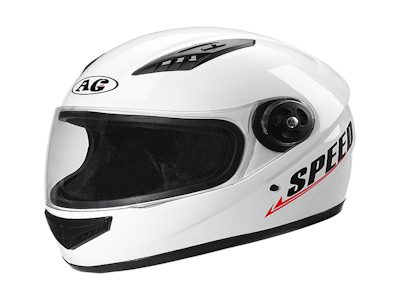
В современном мире безопасность становится приоритетом номер один во многих сферах жизни, от спорта до транспорта. Одним из ключевых элементов защиты являются шлемы, которые за последние десятилетия претерпели значительные изменения благодаря внедрению инновационных материалов. Эти материалы не просто улучшают комфорт и эстетику, но кардинально меняют стандарты безопасности, делая шлемы более эффективными в предотвращении травм. В этой статье мы рассмотрим, почему инновационные материалы, такие как композиты, умные полимеры и наноматериалы, становятся движущей силой в эволюции шлемов, и как это влияет на глобальные стандарты и практики безопасности.
Исторический контекст: от простых конструкций к высокотехнологичным решениям
История шлемов насчитывает тысячелетия, начиная с древних времен, когда они использовались в военных целях из металла или кожи. Однако с развитием технологий и ростом осознания важности безопасности, особенно в XX веке, шлемы стали неотъемлемой частью спортивного и профессионального оборудования. Первоначально шлемы изготавливались из традиционных материалов, таких как сталь, алюминий или пластик, которые обеспечивали базовую защиту, но часто были тяжелыми, неудобными и недостаточно эффективными при сильных ударах. Например, в мотоспорте или строительстве шлемы из металла могли деформироваться или передавать ударную энергию непосредственно на голову, что приводило к серьезным травмам.
Переломным моментом стало внедрение композитных материалов в 1970-х годах. Композиты, такие как стекловолокно и углеродное волокно, предложили превосходное соотношение прочности и веса, что позволило создавать более легкие и прочные шлемы. Это не только улучшило комфорт для пользователей, но и повысило уровень защиты, снизив риск сотрясений мозга и других травм. С тех пор инновации в материалах продолжали ускоряться, с появлением новых технологий, таких как поликарбонаты, кевлар и современные полимеры, которые further enhanced the safety standards.
Ключевые инновационные материалы и их преимущества
Современные шлемы incorporate a variety of advanced materials that work together to provide optimal protection. Let's delve into some of the most impactful ones.
Композитные материалы: основа современной безопасности
Композиты, такие как углеродное волокно и арамидные волокна (например, кевлар), стали золотым стандартом в производстве шлемов. Эти материалы состоят из двух или более компонентов с различными свойствами, что позволяет инженерам tailor the helmet's characteristics to specific needs. Углеродное волокно, например, обладает exceptional strength-to-weight ratio, making it ideal for high-performance applications like racing or extreme sports. It absorbs impact energy more effectively than traditional materials, distributing forces evenly and reducing the risk of penetration or deformation.
Moreover, композиты offer versatility in design. Они могут быть layered or molded into complex shapes, allowing for better aerodynamics and fit. This not only enhances safety but also improves user experience, as lighter helmets reduce fatigue and increase mobility. In standards like those set by organizations such as Snell or DOT (Department of Transportation), композиты have pushed the boundaries, requiring helmets to undergo rigorous testing for impact absorption, penetration resistance, and retention system integrity.
Умные полимеры и материалы с памятью формы
Another groundbreaking innovation is the use of smart polymers and shape-memory materials. These materials can change their properties in response to external stimuli, such as impact or temperature. For instance, некоторые полимеры designed for helmets can harden upon impact, providing additional protection exactly where it's needed. This adaptive capability means that the helmet can offer customized protection based on the severity of the collision, something that static materials cannot achieve.
Materials like expanded polypropylene (EPP) or expanded polystyrene (EPS) are commonly used in the inner liners of helmets for their excellent energy absorption. However, newer variants with microcellular structures or infused with additives can enhance this further. For example, helmets with viscoelastic materials can dissipate energy more efficiently, reducing the g-forces transmitted to the head. This is crucial in preventing concussions, which are a major concern in contact sports like football or hockey.
Наноматериалы и покрытия
The integration of nanomaterials has opened up new frontiers in helmet safety. Nanomaterials, such as carbon nanotubes or graphene, can be incorporated into composites to improve mechanical properties, such as toughness and flexibility. Graphene, for instance, is known for its incredible strength and conductivity, which can be leveraged to create helmets that are not only stronger but also smarter. Imagine a helmet with embedded sensors made from nanomaterials that can monitor impact forces in real-time and alert emergency services if a critical threshold is exceeded.
Additionally, nanocoatings can provide additional benefits, such as antimicrobial properties to prevent odor and infections, or hydrophobic coatings to repel water and maintain visibility in adverse weather conditions. These features contribute to overall safety by ensuring that the helmet remains functional and hygienic over time.
Влияние на стандарты безопасности
The adoption of innovative materials has directly influenced and elevated safety standards globally. Organizations like the International Organization for Standardization (ISO), the American National Standards Institute (ANSI), and various sports federations have updated their testing protocols to account for these advancements. For example, newer standards may require helmets to undergo multi-impact testing, where the same helmet is subjected to repeated blows to simulate real-world scenarios. This is possible only because modern materials can withstand such tests without significant degradation.
In the automotive industry, helmets for motorsports now must meet stringent criteria for fire resistance, impact attenuation, and structural integrity, largely enabled by materials like carbon composites. Similarly, in cycling or skiing, standards have evolved to include tests for rotational forces, which are better managed by helmets with MIPS (Multi-directional Impact Protection System) technology, often incorporating low-friction layers made from innovative polymers.
Furthermore, these materials have made helmets more accessible and affordable over time. While early adoptions were expensive, mass production and advancements in manufacturing, such as 3D printing with composite filaments, have reduced costs. This democratization of safety means that more people can benefit from high-level protection, whether they are professional athletes or everyday commuters.
Будущие тенденции и выводы
Looking ahead, the future of helmet safety lies in further integration of smart technologies and sustainable materials. We can expect to see helmets with built-in communication systems, health monitoring sensors, and even self-healing capabilities using advanced polymers. Biodegradable composites are also on the horizon, addressing environmental concerns without compromising safety.
In conclusion, инновационные материалы revolutionize helmet safety by providing enhanced protection, comfort, and functionality. They have not only changed the standards but also set new benchmarks for what is possible in personal protective equipment. As technology continues to advance, we can anticipate even safer and more intelligent helmets that will save lives and prevent injuries across various domains. It is imperative for industries and regulators to keep pace with these innovations to ensure that safety standards remain relevant and effective.
Это лишь начало обсуждения; continuous research and collaboration between material scientists, engineers, and safety organizations will drive further improvements. Ultimately, the goal is to create a world where everyone can engage in activities without fear of injury, thanks to the relentless pursuit of better materials and designs in helmets.