

Технологии безопасности в шлемах будущего уже сегодня доступны
Время публикации:2026-01-14 16:01:10
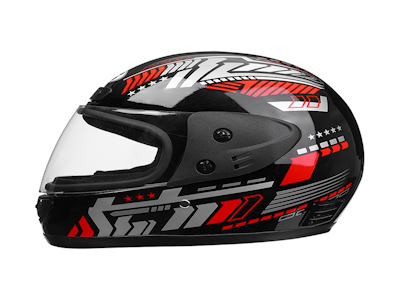
В современном мире, где технологии стремительно развиваются, безопасность остается одним из ключевых приоритетов, особенно в таких областях, как мотоспорт, строительство, военные операции и даже повседневная жизнь. Шлемы, традиционно используемые для защиты головы, эволюционировали от простых защитных устройств до высокотехнологичных систем, интегрирующих инновационные решения. Уже сегодня доступны технологии, которые раньше казались футуристическими: дополненная реальность (AR), интернет вещей (IoT), биометрические датчики и искусственный интеллект (AI). Эти advancements не только повышают безопасность, но и преобразуют пользовательский опыт, делая шлемы умными и адаптивными. В этой статье мы подробно рассмотрим, как эти технологии работают, их преимущества, вызовы внедрения и будущие перспективы, подкрепляя обсуждение реальными примерами и экспертными мнениями.
Исторический контекст: от простоты к сложности
История шлемов насчитывает тысячелетия, начиная с древних времен, когда воины использовали простые металлические или кожаные головные уборы для защиты в бою. В XX веке, с развитием мотоспорта и промышленности, шлемы стали стандартом безопасности, но их дизайн оставался относительно базовым: прочная оболочка из материалов like fiberglass или polycarbonate, мягкая внутренняя подкладка для комфорта и ремни для фиксации. Однако, с наступлением цифровой эры, фокус сместился с пассивной защиты на активную безопасность. Первые инновации, такие как встроенные коммуникационные системы или простые датчики удара, появились в 1990-х годах, но настоящий прорыв произошел в последнее десятилетие благодаря advancements в микроэлектронике, беспроводных технологиях и миниатюризации компонентов. Сегодняшние шлемы — это не просто аксессуары; они стали интеллектуальными устройствами, способными предупреждать об опасностях, отслеживать состояние пользователя и даже взаимодействовать с окружающей средой. Этот переход отражает broader trend в технологиях: convergence физического и цифрового миров, где безопасность становится proactive, а не reactive.
Ключевые технологии безопасности в современных шлемах
Дополненная реальность (AR) и heads-up displays (HUD)
Одной из самых впечатляющих инноваций в шлемах будущего является интеграция дополненной реальности. AR technology overlays digital information onto the real world, providing users with contextual data without отвлекая от окружающей среды. В шлемах это реализуется через прозрачные дисплеи или проекционные системы, которые отображают такую информацию, как скорость, навигационные указания, предупреждения об obstacles или данные о состоянии транспортного средства. Например, мотоциклетные шлемы like the Nuviz Ride или шлемы для велосипедистов от компаний like LIVALL используют AR для показа маршрутов и alerts, reducing the need to look away at a smartphone or dashboard. Это значительно повышает безопасность, минимизируя distractions и allowing faster reaction times. Кроме того, в военных или промышленных applications, AR can display tactical information, schematics, or instructions, enhancing situational awareness. Технология relies on cameras, sensors, and processors embedded in the helmet, often powered by batteries or energy harvesting systems. Хотя AR еще faces challenges like cost, battery life, and potential visual overload, ее benefits в безопасности undeniable, и continuous improvements in display technology and AI are making it more accessible and effective.
Интернет вещей (IoT) и подключение
IoT technology enables шлемы to connect to other devices, networks, and cloud services, creating a seamless ecosystem for safety monitoring. Through wireless protocols like Bluetooth, Wi-Fi, or cellular networks, шлемы can transmit data in real-time to smartphones, central servers, or other helmets. Это позволяет таким функциям, как автоматическое оповещение о авариях (e.g., sending alerts to emergency services or contacts upon detection of a crash), удаленный мониторинг состояния пользователя (e.g., heart rate, temperature), и даже взаимодействие с умными городами или транспортными системами. For instance, в construction или mining industries, IoT-enabled helmets can monitor environmental hazards like gas leaks or falls, triggering alarms and logging incidents for analysis. В потребительском секторе, шлемы like those from Sena или Cardo Systems offer communication features, allowing riders to talk to each other or stream music, but with added safety layers like group tracking and emergency calls. IoT также facilitates predictive maintenance шлемов themselves, alerting users when components need replacement. Однако, cybersecurity risks, such as hacking or data privacy concerns, remain significant challenges that manufacturers must address through encryption and secure protocols.
Биометрические датчики и мониторинг здоровья
Биометрические технологии integrated into шлемы provide a proactive approach to safety by monitoring the user's physiological state. Датчики can measure heart rate, body temperature, oxygen saturation, and even brain activity through EEG sensors, detecting signs of fatigue, stress, or medical emergencies like heart attacks. For example, в motorsports или aviation, шлемы can alert pilots or drivers if they show symptoms of hypoxia or exhaustion, potentially preventing accidents. Кроме того, в healthcare или sports applications, these data can be used for performance optimization and health tracking. Advanced systems may include AI algorithms that analyze biometric data to predict issues before they become critical, offering personalized recommendations or автоматические responses. Хотя эта technology is still emerging, prototypes and early products demonstrate its potential to save lives. Challenges include accuracy of sensors, comfort of wear, and integration with other systems, but ongoing research in wearable technology is driving improvements.
Системы обнаружения столкновений и аварий
Another critical aspect of safety technology in helmets is collision detection and emergency response systems. Using accelerometers, gyroscopes, and impact sensors, шлемы can detect sudden movements or crashes and automatically trigger responses. Это может включать в себя развертывание дополнительных protection mechanisms like airbags (already available in some motorcycle helmets), activation of emergency lights, or sending distress signals with GPS coordinates to predefined contacts or services. Например, шлемы от компаний like Hövding или Schuberth incorporate such systems, reducing response times in accidents and potentially saving lives. Более того, данные с этих датчиков can be used for post-incident analysis to improve safety standards and designs. Integration with vehicle systems or infrastructure (e.g., smart roads) can enhance this further, providing a holistic safety network. Однако, reliability and false positives are concerns that need refinement through machine learning and better sensor calibration.
Материалы и дизайн для enhanced protection
Beyond electronics, advancements in materials science play a vital role in helmet safety. Modern helmets utilize lightweight yet strong materials like carbon fiber, Kevlar, or advanced polymers that offer superior impact absorption and durability. Multi-density foam liners and MIPS (Multi-directional Impact Protection System) technology help reduce rotational forces during impacts, which are a common cause of brain injuries. Additionally, smart materials that can change properties in response to conditions (e.g., becoming stiffer upon impact) are under development. These innovations, combined with ergonomic designs that improve comfort and fit, ensure that helmets not only protect but also encourage consistent use. Sustainability is also becoming a focus, with recyclable materials and eco-friendly production processes being adopted by manufacturers.
Преимущества и impact на безопасность
Внедрение этих технологий в шлемы带来了значительные преимущества для безопасности. Прежде всего, они обеспечивают proactive protection, anticipating and preventing accidents rather than merely mitigating their effects. Например, AR and IoT can warn users of hazards ahead, while biometric sensors can alert to health issues before they lead to incidents. Это особенно важно в high-risk environments like construction sites or battlefields, where every second counts. Secondly, these technologies enhance situational awareness, allowing users to make informed decisions without distraction. Data collected from helmets can also be used for analytics and improvements in safety protocols, contributing to broader societal benefits like reduced accident rates and lower healthcare costs. Moreover, by making safety features more integrated and user-friendly, technology encourages adoption and compliance with safety standards, ultimately saving lives and reducing injuries.
Вызовы и ограничения
Несмотря на promising advancements, существует several challenges that need to be addressed for widespread adoption of high-tech helmets. Cost is a major barrier; advanced technologies like AR or biometric sensors increase the price of helmets, making them less accessible to average consumers. Battery life is another issue, as power-hungry electronics require frequent charging, which can be inconvenient and potentially hazardous if neglected. Cybersecurity risks, as mentioned, pose threats to data privacy and system integrity, necessitating robust security measures. Additionally, there are regulatory hurdles; safety standards for traditional helmets may not fully cover electronic components, requiring updates and certifications from organizations like DOT or ECE. User acceptance is also a factor; some may find technology distracting or uncomfortable, highlighting the need for intuitive design and education. Finally, reliability and durability in harsh conditions (e.g., extreme temperatures or moisture) must be ensured to maintain safety functions.
Будущие перспективы и инновации
Будущее шлемов безопасности выглядит extremely promising, с continuous innovations на горизонте. One area of development is the integration of artificial intelligence for predictive analytics and autonomous responses. AI could analyze data from multiple sensors to predict accidents or health issues with high accuracy, enabling preemptive actions. Another trend is the use of energy harvesting technologies, such as solar panels or kinetic energy converters, to power electronics indefinitely, solving battery life problems. Advancements in materials may lead to helmets that are not only stronger but also smarter, with embedded sensors that monitor structural integrity. Furthermore, convergence with other technologies like 5G networks will enable faster and more reliable connectivity, enhancing real-time safety features. In the long term, we might see helmets that are part of larger smart ecosystems, interacting with autonomous vehicles or smart city infrastructures to create seamless safety networks. Research in neural interfaces could even allow helmets to directly communicate with the brain for enhanced control and monitoring, though this is still in early stages.
Реальные примеры и case studies
Чтобы иллюстрировать практическое применение, рассмотрим несколько реальных примеров. Компания BMW recently introduced a motorcycle helmet with AR display that projects navigation and speed information, receiving positive feedback for its safety enhancements. В строительной отрасли, smart helmets like those from Daqri or Microsoft HoloLens are used to overlay blueprints and safety instructions, reducing errors and accidents. В спорте, шлемы для велосипедистов от Giro или Specialized integrate crash detection and communication features. Военные applications include helmets with night vision, communication systems, and health monitoring, as seen in projects by the U.S. Department of Defense. These examples demonstrate that technology is not just theoretical but already making a difference in various fields, saving lives and improving efficiency.
Заключение
В заключение, технологии безопасности в шлемах будущего уже сегодня доступны и transformative. От AR и IoT до биометрических датчиков и advanced materials, эти инновации revolutionise how we protect ourselves, shifting from passive to active safety. Хотя challenges like cost, battery life, and security remain, ongoing advancements and growing adoption suggest a bright future. Как общество, we must support these developments through investment, regulation, and education to maximize their benefits. В конечном счете, умные шлемы represent a critical step towards a safer, more connected world, where technology serves as a guardian rather than a gadget. Embracing these technologies today can pave the way for unprecedented levels of protection and efficiency in the years to come.