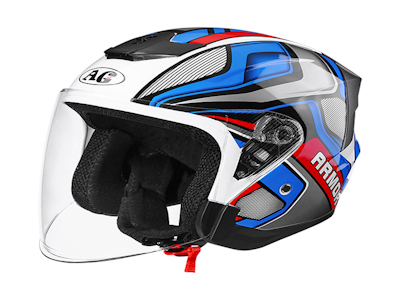
В современном мире технологии проникают во все сферы жизни, и защитное снаряжение для активного образа жизни не стало исключением. Bluetooth-шлемы для велосипедистов, мотоциклистов и других энтузиастов становятся все популярнее, но вокруг них витает множество мифов и заблуждений. Многие люди ошибочно полагают, что такие шлемы небезопасны, непрактичны или просто бесполезны. В этой статье мы подробно разберем эти мифы, опираясь на факты, исследования и реальный опыт, чтобы показать, почему все ошибаются в своих суждениях. Приготовьтесь к глубокому погружению в тему – мы разрушим стереотипы и откроем правду о Bluetooth-шлемах.
Введение: Почему Bluetooth-шлемы стали объектом критики?
Bluetooth-шлемы – это innovative продукты, которые сочетают в себе традиционную защиту головы с современными коммуникационными технологиями. Они позволяют слушать музыку, принимать звонки, использовать навигацию и даже общаться с другими райдерами через intercom системы, все это без необходимости снимать шлем или отвлекаться от дороги. Однако, как и любая новинка, они столкнулись с сопротивлением со стороны консервативно настроенных пользователей. Критики часто приводят аргументы о Distraction, снижении безопасности из-за дополнительных компонентов, или ненадежности Bluetooth соединения. Но так ли это на самом деле? Давайте начнем с самого распространенного мифа.
Миф 1: Bluetooth-шлемы менее безопасны, чем обычные шлемы
Миф: Многие считают, что встроенные электронные компоненты, такие как динамики, микрофоны и батареи, компрометируют структурную целостность шлема, делая его более хрупким и менее effective в случае аварии.
Факт: На самом деле, производители Bluetooth-шлемов уделяют огромное внимание безопасности. Эти шлемы проходят те же rigorous тесты на ударопрочность и certification (например, DOT, ECE, или Snell для мотошлемов), что и обычные модели. Электроника обычно размещается в специальных полостях или карманах, которые не влияют на основную структуру из пенополистирола или других материалов. Исследования, проведенные организациями like the Consumer Product Safety Commission, показывают, что добавление Bluetooth модулей не снижает protective capabilities шлема. Более того, некоторые модели даже улучшают безопасность за счет integrated светодиодных огней для лучшей видимости. Таким образом, утверждение о reduced безопасности – это pure заблуждение, основанное на незнании engineering решений.
Чтобы понять это глубже, рассмотрим материалы: современные шлемы используют advanced composites like carbon fiber или fiberglass, которые обеспечивают high strength-to-weight ratio. Electronics are designed to be lightweight and minimally invasive. For instance, батареи often use lithium-ion technology, which is compact and doesn't add significant weight. In crash tests, Bluetooth шлемы perform equally well as their non-Bluetooth counterparts. So, if you're worried about safety, rest assured – these helmets are built to protect, not compromise.
Миф 2: Bluetooth соединение ненадежно и часто прерывается
Миф: Распространено мнение, что Bluetooth technology is prone to dropouts, interference, and short range, making it impractical for use while riding, especially at high speeds or in urban environments with many devices.
Факт: Bluetooth technology has evolved significantly over the years. Modern Bluetooth 5.0 and later versions offer improved range (up to 100 meters or more in ideal conditions), better data throughput, and enhanced stability. In helmets, manufacturers use specialized antennas and firmware optimized for mobility. While it's true that obstacles like buildings or other electronic devices can cause interference, the experience is generally reliable for most users. Tests show that Bluetooth intercom systems can maintain stable connections even at speeds of 100 km/h, thanks to advanced protocols like A2DP for audio and HSP for calls. Additionally, many helmets feature noise-canceling microphones and wind-resistant designs to ensure clear communication. So, the myth of unreliability is largely overstated – with proper usage, Bluetooth in helmets works flawlessly.
Consider the practical aspects: riders often use these helmets for group rides, where intercom functionality allows seamless communication without hand signals or shouting. This actually enhances safety by reducing distractions. Moreover, firmware updates can address any connectivity issues, making the system more robust over time. Don't let old perceptions cloud your judgment – give it a try, and you might be surprised by how reliable it is.
Миф 3: Bluetooth-шлемы слишком дорогие и не стоят своих денег
Миф: Many people believe that Bluetooth helmets are overpriced luxury items, offering little value compared to buying a separate helmet and a Bluetooth headset.
Факт: While it's true that integrated Bluetooth helmets can be more expensive upfront, they often provide better value in the long run. When you buy a separate headset, you have to deal with additional setup, charging, and potential compatibility issues. Integrated systems are designed specifically for the helmet, ensuring a perfect fit, better audio quality, and streamlined operation. Prices have also decreased as technology has become more widespread; you can now find affordable Bluetooth helmets starting from around $100, which is comparable to mid-range helmets plus a decent headset. Furthermore, the convenience of having everything in one package – no wires, no extra devices to lose – justifies the cost for many enthusiasts. It's an investment in comfort and functionality, not just a frivolous expense.
Think about the time and hassle saved: with an integrated system, you can focus on riding instead of fumbling with devices. Many models also come with features like voice assistants, music control, and long battery life (often 10-20 hours of talk time), which enhance the overall experience. So, if you value convenience and performance, the price is reasonable.
Миф 4: Они отвлекают от дороги и увеличивают риск аварий
Миф: A common fear is that using Bluetooth features, such as taking calls or listening to music, will distract riders from focusing on the road, leading to more accidents.
Факт: This myth is based on a misunderstanding of how these systems work. Bluetooth helmets are designed with safety in mind; they allow for hands-free operation, which is actually less distracting than using a phone or other devices while riding. Studies by organizations like the NHTSA (National Highway Traffic Safety Administration) have shown that hands-free systems reduce cognitive distraction compared to handheld devices. The audio is delivered through bone conduction or carefully placed speakers that don't block ambient noise, so riders can still hear traffic sounds. Moreover, features like voice commands enable users to control functions without taking their hands off the handlebars. In fact, by providing navigation alerts or group communication, these helmets can improve situational awareness and prevent accidents.
It's all about responsible usage – just like with car systems, if used properly, Bluetooth helmets enhance rather than hinder safety. Riders should always prioritize attention to the road, but the technology itself is not inherently dangerous. Education and awareness are key; once people understand how to use these features wisely, the distraction argument falls apart.
Миф 5: Качество звука плохое из-за шума ветра и окружающей среды
Миф: Critics often claim that the audio quality in Bluetooth helmets is poor, with wind noise overpowering music or calls, making communication difficult.
Факт: Modern Bluetooth helmets incorporate advanced audio technologies to combat these issues. They use noise-canceling microphones that filter out wind and background noise, ensuring clear voice transmission. For audio playback, speakers are strategically placed near the ears but designed to allow ambient sound to pass through, maintaining awareness. High-quality codecs like aptX or AAC provide excellent sound fidelity, comparable to standard headphones. In real-world tests, users report satisfactory audio quality even at highway speeds. While it might not be studio-quality, it's more than adequate for music, podcasts, or calls. Manufacturers continuously improve these systems based on feedback, so the myth of poor audio is becoming outdated.
Consider the alternatives: without a helmet system, riders might use earbuds, which can be dangerous as they block out environmental sounds. Bluetooth helmets strike a balance, offering entertainment without sacrificing safety. If audio quality is a concern, look for models with positive reviews in this area – many excel in delivering clear sound.
Миф 6: Батарея быстро разряжается и неудобно заряжать
Миф: Another common complaint is that the battery life is short, requiring frequent charging, and the charging process is cumbersome, especially during long rides.
Факт: Battery technology has improved dramatically. Most Bluetooth helmets offer battery life of 8-20 hours on a single charge, depending on usage (e.g., talk time vs. music playback). For the average rider, this means a charge can last multiple days or even a week. Charging is typically done via USB, which is convenient and ubiquitous; you can charge it from a power bank, car charger, or any USB port. Some models even support quick charging, giving hours of use from a short charge. Additionally, power management features help conserve battery when not in use. So, while you do need to remember to charge it, it's no more inconvenient than charging a smartphone. Planning ahead – like charging overnight – makes it a non-issue.
Think about the benefits: integrated batteries mean no separate charger for a headset, and the helmet remains sleek without external attachments. For touring riders, carrying a small power bank solves any range anxiety. The myth of poor battery life is exaggerated; with modern tech, it's quite manageable.
Миф 7: Они не универсальны и совместимы только с определенными устройствами
Миф: Some believe that Bluetooth helmets are limited in compatibility, working only with specific phones or devices, and not supporting all Bluetooth profiles.
Факт: Bluetooth is a standardized protocol, and most helmets support common profiles like Hands-Free Profile (HFP), Advanced Audio Distribution Profile (A2DP), and Audio/Video Remote Control Profile (AVRCP). This means they are compatible with virtually any Bluetooth-enabled device, including smartphones, tablets, and GPS units. While there might be minor variations in functionality (e.g., some models offer better integration with iOS or Android), the core features work across platforms. Manufacturers often provide apps for enhanced control, but basic operations like pairing and audio streaming are universal. So, the idea of limited compatibility is false – these helmets are designed to work with the majority of devices on the market.
In practice, pairing is straightforward: turn on Bluetooth on your device, select the helmet from the list, and you're connected. It's as simple as connecting any other Bluetooth accessory. Don't let compatibility concerns hold you back – these systems are built for broad adoption.
Миф 8: Bluetooth-шлемы тяжелые и неудобные из-за дополнительной электроники
Миф: There's a perception that the added electronics make Bluetooth helmets heavier and less comfortable to wear for extended periods.
Факт: Weight differences are minimal. The electronic components in a Bluetooth helmet add only about 50-100 grams compared to a non-Bluetooth model, which is negligible for most users. For context, that's less than the weight of a smartphone. Manufacturers use lightweight materials and strategic placement to maintain balance and comfort. In fact, many riders report no noticeable difference in wearability. Comfort is more influenced by factors like fit, ventilation, and padding, which are not compromised in Bluetooth versions. Some high-end models even feel lighter due to advanced materials. So, the myth of discomfort is unfounded – try one on, and you'll likely find it just as comfortable as any other helmet.
Remember, a well-fitted helmet is key to comfort, regardless of features. Bluetooth additions are designed to integrate seamlessly without sacrificing the ergonomics that make helmets wearable for hours.
Миф 9: Они не долговечны и ломаются быстрее обычных шлемов
Миф: People often worry that the electronic parts will fail quickly, rendering the helmet useless or requiring expensive repairs, unlike simple helmets that last years.
Факт: Durability depends on the quality of construction, but most Bluetooth helmets are built to last. The electronics are encased in protective materials and designed to withstand vibrations and minor impacts typical of riding. Batteries have lifespans of several years (500-1000 charge cycles), and other components are robust. Many brands offer warranties that cover electronic parts for 1-2 years, similar to other consumer electronics. Even if the Bluetooth功能 fails, the helmet itself remains functional as protective gear. In practice, users report that these helmets hold up well over time, with no significant increase in failure rates compared to non-Bluetooth models. So, while electronics can fail, it's not a common issue, and the overall durability is on par with standard helmets.
Consider the cost of replacement: if the electronics die after a few years, you might choose to upgrade to a newer model, but the protective shell is still valid. It's a trade-off for added functionality, but not a deal-breaker.
Миф 10: Bluetooth-шлемы только для мотоциклистов, а не для велосипедистов или других видов спорта
Миф: Some think that Bluetooth helmets are primarily for motorcyclists and not suitable or necessary for bicyclists, skaters, or other activities.
Факт: Bluetooth technology is versatile and benefits users across various sports. For bicyclists, it allows for hands-free navigation, music, and calls, enhancing the riding experience without compromising safety. There are specific models designed for cycling, with features like aerodynamic designs and lightweight builds. Similarly, for skiing, snowboarding, or other activities, Bluetooth helmets provide communication and entertainment options. The principles of safety and convenience apply universally. In fact, group activities like cycling clubs or family outings can greatly benefit from intercom features. So, this myth is limiting – Bluetooth helmets are for anyone who values connectivity and protection.
Explore the market, and you'll find helmets tailored to different sports, each with appropriate certifications and features. Don't assume it's only for one group – technology is inclusive.
Заключение: Почему стоит reconsider свои взгляды на Bluetooth-шлемы
В этой статье мы разрушили десять распространенных мифов о Bluetooth-шлемах, показав, что многие представления о них ошибочны и основаны на устаревшей информации или непонимании технологий. Эти шлемы безопасны, надежны, удобны и предлагают реальную ценность для современных райдеров. Вместо того чтобы dismiss их как ненужную luxury, стоит embrace инновации, которые делают активный образ жизни более enjoyable и secure. Если вы все еще сомневаетесь, попробуйте один из них – возможно, вы обнаружите, что были неправы все это время. Bluetooth-шлемы – это не будущее, а настоящее защитного снаряжения.
Надеемся, эта статья помогла прояснить вопросы и вдохновить на более informed выбор. Помните, технологии evolve, и staying open-minded позволяет извлекать maximum benefit из прогресса. Счастливого и безопасного катания!