
Современные шлемы защита и технологии будущего
Время публикации:2025-12-30 00:01:10
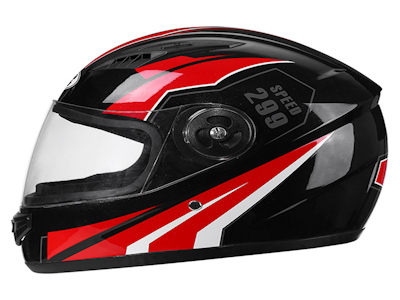
В современном мире, где скорость и технологии становятся неотъемлемой частью нашей повседневной жизни, вопрос безопасности приобретает все большее значение. Одним из ключевых элементов защиты в различных сферах, от мотоспорта до строительства, являются шлемы. Эти устройства эволюционировали от простых кожаных или металлических конструкций до высокотехнологичных продуктов, интегрирующих умные системы и передовые материалы. В данной статье мы рассмотрим, как современные шлемы сочетают в себе защитные функции и инновационные технологии, а также заглянем в будущее этого важного сегмента защитного снаряжения.
Исторический контекст: от простоты к сложности
История защитных шлемов насчитывает тысячелетия. Еще в древние времена воины использовали шлемы из металла или кожи для защиты головы в бою. Однако настоящий прорыв произошел в XX веке с развитием мотоспорта и авиации. Первые мотоциклетные шлемы, появившиеся в 1950-х годах, были сделаны из кожи и имели минимальную защиту. С течением времени, благодаря исследованиям в области безопасности, такие организации, как Snell Memorial Foundation и DOT (Department of Transportation) в США, а также ECE (Economic Commission for Europe) в Европе, разработали стандарты, которые pushed производителей к созданию более эффективных конструкций.
В 1970-х годах появились шлемы из поликарбоната и стекловолокна, которые предложили улучшенную ударопрочность. Это стало отправной точкой для дальнейших инноваций. Сегодня шлемы не просто защищают от ударов, но и включают в себя системы вентиляции, антизапотевающие покрытия, и даже встроенную электронику. Эволюция шлемов демонстрирует, как технологический прогресс напрямую влияет на безопасность жизни людей.
Ключевые технологии в современных шлемах
Современные шлемы — это результат многолетних исследований и разработок. Они incorporate различные технологии, направленные на максимизацию защиты и комфорта. Рассмотрим некоторые из них подробнее.
Материалы и конструкция
Одним из наиболее важных аспектов является выбор материалов. Традиционные материалы, такие как поликарбонат, до сих пор широко используются благодаря своей прочности и легкости. Однако все больше производителей переходят на композитные материалы, например, углеродное волокно (карбон) и кевлар. Эти материалы обладают исключительной прочностью при минимальном весе, что делает шлемы более удобными для длительного использования.
Конструкция шлема также играет crucial роль. Многослойная design, включающая внешнюю оболочку, поглощающий слой (обычно из пенополистирола) и внутреннюю подкладку, обеспечивает распределение энергии удара. Это снижает риск травм головы. Кроме того, innovations в области aerodynamics помогают уменьшить сопротивление ветра, что особенно важно для мотоциклистов и велосипедистов, повышая стабильность на высоких скоростях.
Умные технологии и connectivity
В эпоху Интернета вещей (IoT) шлемы становятся «умными». Многие современные модели оснащены встроенными системами, такими как Bluetooth-гарнитуры для связи, GPS-навигация, и даже камеры для записи видео. Например, шлемы для мотоциклистов от брендов like Sena или Cardo позволяют riders общаться друг с другом, слушать музыку или получать указания по навигации без отвлечения от дороги.
Более того, появляются шлемы с датчиками, которые monitor vital signs пользователя, такие как сердечный ритм или уровень усталости. Эти данные могут передаваться в реальном времени на смартфон или в облако, позволяя принимать меры в случае emergency. For instance, если система detects падение или потерю сознания, она может автоматически отправить сигнал SOS с координатами местоположения. Это не только enhances безопасность, но и открывает новые возможности для спорта и активного образа жизни.
Системы вентиляции и комфорта
Комфорт является key factor при выборе шлема, особенно для профессиональных спортсменов или любителей, проводящих много времени в helmet. Современные шлемы feature advanced системы вентиляции с adjustable заслонками, которые обеспечивают оптимальный airflow, предотвращая overheating и запотевание. Некоторые модели используют антибактериальные материалы для внутренней подкладки, что способствует гигиене и долговечности.
Дополнительно, innovations в области visors (защитных стекол) включают photochromic технологии, которые automatically adjust tint в зависимости от освещения, а также anti-fog coatings, сохраняющие clarity в любых условиях. Эти improvements делают шлемы более удобными для использования в различных погодных ситуациях.
Применение в различных сферах
Современные шлемы находят применение в множестве областей, каждая из которых предъявляет unique требования к защите и функциональности.
Мотоспорт и велоспорт
В мотоспорте шлемы являются обязательным элементом экипировки. Высокоскоростные гонки требуют максимальной защиты, поэтому шлемы для этой сферы often изготавливаются из карбона и включают системы like MIPS (Multi-directional Impact Protection System), которая reduces rotational forces при ударе. Similarly, в велоспорте шлемы designed to be lightweight and aerodynamic, с emphasis на ventilation для комфорта during длительных поездок.
С развитием electric scooters и других personal mobility devices, demand для шлемов растет, spurring innovation в designs, которые combine style and safety. Brands continuously work on improving certifications, such as the new ECE 22.06 standard, which includes more rigorous testing for impact and penetration resistance.
Промышленность и строительство
В industrial settings, шлемы используются для защиты от падающих объектов, electrical hazards, и других risks. Modern industrial helmets often incorporate features like integrated earmuffs for hearing protection, face shields, and even augmented reality (AR) displays for workers, providing real-time information without needing to remove the helmet. This enhances productivity and safety on job sites.
For example, in construction, helmets with sensors can detect falls or hazardous conditions, alerting supervisors immediately. The integration of IoT in these helmets is transforming workplace safety, making it more proactive rather than reactive.
Спорт и активный отдых
In sports like skiing, snowboarding, or climbing, helmets are essential for preventing head injuries. Modern designs focus on lightweight materials and enhanced coverage, with some models offering customizable fit systems. Additionally, smart technologies such as action cameras built into the helmet allow athletes to capture their experiences safely.
The rise of extreme sports has led to innovations in impact absorption, with helmets now tested for multiple impacts rather than single use. This is particularly important in activities where repeated falls are common, ensuring long-term protection.
Будущее технологий в шлемах
Looking ahead, the future of helmet technology promises even greater integration of advanced features. Here are some trends to watch.
Искусственный интеллект и машинное обучение
AI and machine learning could revolutionize helmet safety by predicting potential accidents based on user behavior and environmental data. For instance, helmets equipped with cameras and sensors could analyze road conditions in real-time, warning riders of hazards like potholes or slippery surfaces. This proactive approach could significantly reduce accident rates.
Moreover, AI-powered systems might adapt the helmet's properties dynamically, such as adjusting ventilation or stiffness based on the situation, providing personalized protection that evolves with the user's needs.
Дополненная реальность (AR) и виртуальная реальность (VR)
AR and VR technologies are already being integrated into helmets for training and entertainment purposes. In the future, we might see helmets with full AR displays that overlay navigation, speed, and other metrics directly into the user's field of view. This could be particularly useful for motorsports or military applications, where hands-free operation is critical.
VR helmets could also be used for simulated training environments, allowing users to practice dangerous scenarios safely. This not only enhances skill development but also reduces the risk of injury during learning phases.
Устойчивое развитие и экологичные материалы
As sustainability becomes a global priority, the helmet industry is exploring eco-friendly materials. Biodegradable composites and recycled plastics are being tested to reduce environmental impact. Future helmets might be designed for easy disassembly and recycling, promoting a circular economy.
Additionally, energy-efficient technologies, such as solar-powered components for smart features, could make helmets more self-sufficient and reduce reliance on batteries.
Персонализация и 3D-печать
Advancements in 3D printing could allow for fully customized helmets tailored to an individual's head shape and preferences. This would ensure a perfect fit, enhancing comfort and safety. Companies might offer scanning services to create digital models for printing, making personalized protection accessible to everyone.
Personalization could extend to aesthetics as well, with users able to choose colors, patterns, and even integrate personal data into the helmet's design through digital interfaces.
Вызовы и этические considerations
Despite the exciting advancements, the integration of technology into helmets presents challenges. Privacy concerns arise with data collection from sensors, necessitating robust cybersecurity measures to protect user information. Additionally, the cost of high-tech helmets may limit accessibility, potentially creating disparities in safety between different socioeconomic groups.
Ethically, manufacturers must ensure that new features do not compromise core protective functions. Over-reliance on technology could lead to complacency, where users trust automated systems too much and neglect basic safety practices. Balancing innovation with reliability is crucial for the future of helmet development.
Заключение
Современные шлемы represent a fascinating convergence of protection and technology. From their humble beginnings as simple protective gear, they have evolved into sophisticated devices that enhance safety, comfort, and connectivity. As we look to the future, innovations in AI, AR, sustainable materials, and personalization promise to make helmets even more integral to our lives.
Whether for sports, work, or daily commuting, the ongoing development of helmet technology underscores a commitment to saving lives and improving experiences. By embracing these advancements while addressing associated challenges, we can ensure that the helmets of tomorrow continue to protect and inspire.
In summary, the journey of helmet technology is far from over. It is a dynamic field that will continue to adapt to the needs of a rapidly changing world, always with the goal of keeping people safe. As users, staying informed about these developments can help us make better choices and appreciate the incredible engineering behind every helmet we wear.