
Защита вашей головы почему шлем должен быть прочным и устойчивым к ударам
Время публикации:2025-12-28 16:01:10
В современном мире, где скорость и активность стали неотъемлемой частью жизни, безопасность часто отходит на второй план. Однако, когда речь заходит о защите головы, компромиссы недопустимы. Голова — это центр управления всем телом, и её травмы могут иметь катастрофические последствия. Шлемы, предназначенные для различных видов деятельности, от велоспорта до мотоциклетных гонок, играют ключевую роль в предотвращении серьезных повреждений. Но почему именно прочность и устойчивость к ударам так важны? В этой статье мы глубоко погрузимся в науку, стоящую за шлемами, рассмотрим различные типы, стандарты тестирования, и поделимся реальными историями, которые подчеркивают необходимость инвестировать в качественные средства защиты. К концу чтения вы не только поймете, почему шлем должен быть прочным, но и как выбрать тот, который действительно спасет вашу жизнь.
Введение: Почему защита головы имеет первостепенное значение
Голова человека — это удивительно сложный и хрупкий орган. Мозг, заключенный в черепную коробку, управляет всеми функциями тела, от дыхания до мышления. Несмотря на то, что череп обеспечивает некоторую защиту, он не предназначен для поглощения сильных ударов, особенно при высоких скоростях. Травмы головы, такие как сотрясение мозга, переломы черепа или внутричерепные кровоизлияния, могут привести к необратимым последствиям, включая инвалидность или смерть. По данным Всемирной организации здравоохранения, дорожно-транспортные происшествия являются одной из ведущих причин смерти среди молодых людей, и многие из этих случаев связаны с травмами головы из-за отсутствия или некачественной защиты.
Шлемы были изобретены именно для mitigate этих рисков. Они работают по принципу поглощения и распределения энергии удара, уменьшая силу, передаваемую на голову. Однако не все шлемы созданы равными. Прочность и устойчивость к ударам — это не просто маркетинговые термины; они основаны на rigorous testing и инженерных расчетах. В следующих разделах мы разберем, что делает шлем по-настоящему эффективным, и почему экономия на качестве может стоить дорого.
Научные основы: Как шлем защищает вашу голову
Чтобы понять важность прочности и ударной стойкости, необходимо обратиться к физике. При столкновении кинетическая энергия должна быть dissipitated, чтобы minimize повреждения. Шлем состоит из двух основных компонентов: твердой внешней оболочки и мягкого внутреннего слоя, обычно из пенополистирола или similar материалов. Внешняя оболочка designed to distribute force over a larger area, preventing penetration и reducing local pressure. Внутренний слой compresses upon impact, absorbing energy и slowing down the deceleration of the head, что critical для preventing brain injury.
Исследования показывают, что даже небольшое увеличение прочности может significantly reduce the risk of concussion. For example, a study published in the Journal of Neurosurgery demonstrated that helmets with higher impact resistance can decrease peak acceleration forces by up to 50% compared to substandard models. Это означает, что прочный шлем не только предотвращает переломы, но и mitigates мягкие tissue damage, такие как сотрясения, которые often overlooked but can have long-term effects like chronic headaches or cognitive impairment.
Кроме того, материалы, используемые в современных шлемах, постоянно evolve. Углепластик, кевлар и advanced полимеры offer superior strength-to-weight ratios, making helmets lighter without compromising protection. Innovations like MIPS (Multi-directional Impact Protection System) further enhance safety by reducing rotational forces, which are a major cause of brain injuries. Таким образом, инвестируя в шлем с high impact resistance, вы essentially buying peace of mind and a higher chance of walking away unharmed from an accident.
Типы шлемов и их особенности
Шлемы designed для разных activities have varying requirements for strength and impact resistance. Let's explore the most common types.
Велосипедные шлемы
Велосипедные шлемы are perhaps the most ubiquitous. They are lightweight and aerodynamically designed, but must withstand impacts from falls at moderate speeds. Standards like CPSC in the US or EN 1078 in Europe ensure a baseline of protection, but premium models exceed these with features like reinforced shells and better ventilation without sacrificing durability. For instance, a study by the Insurance Institute for Highway Safety found that wearing a bicycle helmet reduces the risk of head injury by 50% and fatal injury by 65%, highlighting why strength matters even for casual riders.
Мотоциклетные шлемы
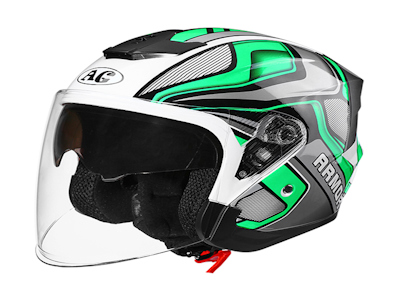
Мотоциклетные шлемы face higher impact forces due to greater speeds. They are typically full-face designs with thick inner liners and strong outer shells made from materials like fiberglass or carbon fiber. Standards such as DOT, ECE, or Snell require rigorous testing for impact absorption, penetration resistance, and retention system strength. A robust motorcycle helmet can mean the difference between a minor incident and a life-altering tragedy. Real-world crash data shows that riders with quality helmets have a significantly lower mortality rate in accidents.
Спортивные шлемы (e.g., для滑雪, скалолазания, etc.)
Sports helmets are specialized for specific risks. For example, skiing helmets must protect against cold and multiple impacts, while climbing helmets focus on light weight and protection from falling debris. Each type undergoes unique testing, but the common thread is the need for impact resistance tailored to the activity's demands. Innovations like adjustable fit systems and integrated technology (e.g., Bluetooth) are becoming common, but never at the expense of core safety features.
In all cases, the key takeaway is that a helmet's strength is not optional—it's essential. Choosing the right type for your activity ensures that the protection is optimized for the risks you face.
Стандарты тестирования и сертификации
How do we know if a helmet is truly strong and impact-resistant? Through standardized testing protocols. Organizations worldwide have developed criteria to evaluate helmet performance.
In the United States, the Department of Transportation (DOT) sets minimum standards for motorcycle helmets, including tests for impact absorption, penetration, and retention. Similarly, the Snell Memorial Foundation offers more rigorous certification, often preferred by enthusiasts for its higher benchmarks. In Europe, the ECE 22.05 standard is widely recognized, and new versions like ECE 22.06 introduce improved testing for angular impacts.
For bicycle helmets, standards like CPSC (Consumer Product Safety Commission) in the US or EN 1078 in Europe involve dropping helmets onto anvils at specified heights and measuring the transmitted force. Helmets that pass these tests are labeled accordingly, providing consumers with assurance of quality.
It's crucial to look for these certifications when purchasing a helmet. Avoid uncertified or counterfeit products, which may look similar but lack the necessary strength. A study by the NHTSA (National Highway Traffic Safety Administration) found that non-compliant helmets can fail catastrophically in crashes, leading to severe injuries. Always check for labels and buy from reputable brands that prioritize safety over cost.
Реальные случаи и статистика
Numbers and stories bring the importance of helmet strength to life. Consider the case of a professional cyclist who survived a high-speed crash thanks to a helmet with advanced impact absorption. Or the motorcyclist whose full-face helmet prevented facial injuries in a collision. Statistics from organizations like the CDC show that helmet use reduces the risk of death by 37% for motorcycle riders and 69% for passengers.
Conversely, tragedies occur when helmets fail. In one incident, a cheap, uncertified helmet shattered upon impact, resulting in fatal head trauma. These examples underscore that investing in a strong, impact-resistant helmet is not about luxury—it's about survival. Data from insurance companies also reveal that claims involving helmet-related injuries are lower for users of certified gear, emphasizing the economic and personal benefits.
Как выбрать прочный и устойчивый к ударам шлем
Selecting the right helmet involves more than just picking a style. Here are key factors to consider:
- Certification: Always choose a helmet that meets recognized standards like DOT, ECE, Snell, or CPSC. Look for the certification label inside the helmet.
- Fit: A helmet must fit snugly without being uncomfortable. Use the manufacturer's sizing guide and try it on before buying. A poor fit can compromise protection, even if the helmet is strong.
- Materials: Opt for helmets made from high-quality materials like polycarbonate, fiberglass, or carbon fiber for better impact resistance. Avoid plastic shells that may crack easily.
- Features: Consider additional safety features like MIPS or similar technologies that reduce rotational forces. Ventilation, weight, and comfort are important but secondary to protection.
- Brand reputation: Stick to well-known brands with a history of safety innovation. Read reviews and check crash test ratings if available.
Remember, a helmet is a single-use item in terms of impacts. If it has been involved in a crash, replace it immediately, even if no damage is visible, as the internal materials may be compromised.
Заключение: Инвестируйте в свою безопасность
В заключение, прочность и устойчивость к ударам are not mere features of a helmet—they are its very essence. Whether you're cycling through the city, riding a motorcycle on the highway, or engaging in extreme sports, your helmet is your first line of defense against life-threatening injuries. The science is clear: a strong helmet absorbs energy, distributes force, and saves lives. Don't let cost or convenience dictate your choice; prioritize safety above all else.
Invest in a quality helmet that meets rigorous standards, ensure it fits properly, and replace it after any impact. Your head is priceless, and protecting it with a robust, impact-resistant helmet is one of the smartest decisions you can make. Spread awareness among friends and family—because when it comes to safety, we're all in this together.
Stay safe, and never underestimate the power of a good helmet.