

Что такое вентилируемый шлем и как он защищает голову
Время публикации:2025-12-28 00:01:10
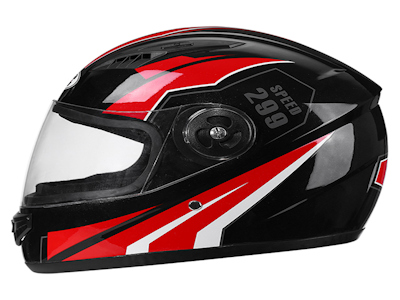
В мире активного образа жизни и экстремальных видов спорта безопасность всегда стоит на первом месте. Одним из ключевых элементов защиты является шлем, но не все шлемы созданы одинаковыми. Среди них выделяются вентилируемые шлемы, которые сочетают в себе высокий уровень защиты и комфорт. В этой статье мы подробно разберем, что такое вентилируемый шлем, как он работает, и почему он так эффективен в защите головы. Мы рассмотрим историю развития, технологические инновации, преимущества и недостатки, а также практические советы по выбору и использованию. Эта информация будет полезна не только спортсменам, но и всем, кто заботится о своей безопасности в повседневной жизни.
Введение в тему: Почему шлем так важен
Голова — это самый уязвимый и критически важный орган человеческого тела. Любая травма головы может иметь серьезные последствия, включая сотрясение мозга, переломы черепа или даже летальный исход. Согласно статистике Всемирной организации здравоохранения, травмы головы являются одной из ведущих причин смерти и инвалидности в результате несчастных случаев, особенно в дорожно-транспортных происшествиях и спортивных активностях. Шлемы были изобретены именно для mitigации этих рисков. Первые шлемы появились еще в древности, но современные модели, такие как вентилируемые шлемы, представляют собой продукт decades of research and innovation. Они не только защищают от ударов, но и обеспечивают комфорт, что делает их незаменимыми для длительного использования.
Что такое вентилируемый шлем: Определение и основные характеристики
Вентилируемый шлем — это тип защитного головного убора, оснащенный системой вентиляции, которая позволяет воздуху циркулировать внутри шлема. Это отличается от традиционных закрытых шлемов, где вентиляция минимальна или отсутствует. Основная цель вентиляции — снизить температуру внутри шлема, удалить влагу (пот) и предотвратить запотевание visor или очков. Ключевые характеристики включают в себя ventilation ports (отверстия для входа и выхода воздуха), внутренние каналы для распределения воздуха, и often lightweight materials для enhanced comfort. Такие шлемы широко используются в мотоспорте, велоспорте, skiing, и других activities где overheating и discomfort могут distracts от safety.
История развития вентилируемых шлемов: От простоты к sophistication
История шлемов началась тысячи лет назад, с простых кожаных или металлических designs для военных purposes. Однако, концепция вентиляции появилась much later. В early 20th century, с rise of motorcycles и automobiles, шлемы стали more common, но они были heavy и hot. В 1970-х годах, с growth of motorsports, производители начали experiment с ventilation. Первые вентилируемые шлемы были crude: simple holes drilled into the shell. Но с advances in materials science (e.g., polycarbonate, carbon fiber) и aerodynamics, modern вентилируемые шлемы evolved. Сегодня, они incorporate computational fluid dynamics (CFD) для оптимизации airflow, и smart materials для moisture-wicking. This evolution has made them not only safer but also more comfortable and efficient.
Как работает система вентиляции: Механика воздушного потока
Система вентиляции в шлеме работает по принципу convection и forced airflow. Когда пользователь движется, воздух enters через front ventilation ports (обычно расположенные на лобной части шлема). Эти ports designed to capture air pressure from movement. Воздух then flows through internal channels, которые распределяют его по всей внутренней поверхности шлема. This helps to cool the head and evaporate sweat. Задние exhaust ports allow hot, moist air to escape, creating a continuous cycle. В некоторых advanced моделях, есть adjustable vents, которые用户可以 открывать или закрывать depending on conditions. Например, в жаркую погоду vents открыты для maximum cooling, а в cold weather они могут быть closed to retain heat. Эта система not only improves comfort but also reduces fogging on visors, что критически важно для visibility и safety.
Материалы и construction: Что делает шлем прочным и легким
Современные вентилируемые шлемы изготавливаются из advanced materials, которые обеспечивают прочность, легкость и durability. Outer shell typically made from materials like polycarbonate, fiberglass, or carbon fiber. Polycarbonate — lightweight и impact-resistant, часто used in budget-friendly models. Fiberglass offers good strength-to-weight ratio, а carbon fiber — ultra-light и extremely strong, но expensive. Inner liner usually consists of expanded polystyrene (EPS) foam, который absorbs impact energy by crushing upon impact. Для ventilation, manufacturers use precision molding to create internal channels without compromising structural integrity. Additionally, comfort padding made from moisture-wicking fabrics (e.g., Coolmax) enhances airflow and keeps the head dry. These materials work together to provide optimal protection and comfort.
Преимущества вентилируемых шлемов: Почему они лучше традиционных
Вентилируемые шлемы offer numerous advantages over non-ventilated ones. First and foremost, improved thermal comfort: by reducing heat buildup, они prevent overheating, которое может lead to fatigue и reduced concentration. This is crucial for long rides or intense sports. Second, better moisture management: ventilation helps evaporate sweat, keeping the head dry и reducing skin irritation. Third, enhanced visibility: reduced fogging on visors means clearer vision, which is vital for safety. Fourth, lightweight design: advanced materials make them easier to wear for extended periods. Fifth, aerodynamic efficiency: well-designed vents can reduce drag, improving performance in sports like cycling or motorcycling. Overall, these benefits contribute to a safer and more enjoyable experience.
Недостатки и limitations: Что需要考虑овать при выборе
Несмотря на преимущества, вентилируемые шлемы имеют некоторые drawbacks. Основной недостаток — potential compromise in protection: ventilation ports can create weak points in the shell, though modern designs mitigate this with reinforced areas. Они могут быть less effective in very cold weather, as open vents allow cold air in, leading to discomfort. Additionally, они often more expensive due to complex manufacturing processes. Шум: ventilation can increase wind noise, который может быть annoying или harmful to hearing over time. Также, они require regular maintenance to keep vents clear of debris. Однако, для большинства пользователей, преимущества перевешивают эти limitations, особенно при правильном выборе и использовании.
Типы вентилируемых шлемов: Для различных видов деятельности
Вентилируемые шлемы come in various types tailored to specific activities. For motorcycling, full-face helmets with integrated visors and extensive ventilation are common. They offer maximum protection and comfort on long rides. For cycling, road bike helmets are lightweight with multiple vents for aerodynamics and cooling. Mountain bike helmets often have more coverage and adjustable vents. For skiing and snowboarding, helmets with ventilation that can be closed in cold conditions are popular. Additionally, there are multi-sport helmets designed for activities like skateboarding or climbing. Each type has unique features, such as additional padding, visor systems, or compatibility with goggles. Choosing the right type depends on the intended use and personal preferences.
Как вентилируемый шлем защищает голову: Механизмы безопасности
Защита головы в вентилируемом шлеме осуществляется through multiple mechanisms. Outer shell distributes impact force over a larger area, reducing peak pressure on the skull. Inner EPS liner absorbs energy by deforming, which minimizes the force transmitted to the head. Ventilation system itself does not directly protect against impacts, but it contributes indirectly by keeping the wearer cool and alert, thus preventing accidents caused by fatigue or poor visibility. Moreover, modern helmets meet safety standards like DOT, ECE, or Snell, which test for impact absorption, penetration resistance, and retention system strength. Вентилируемые шлемы are designed to maintain these protections while incorporating vents, often through rigorous testing and innovation in materials.
Сравнение с другими типами шлемов: Вентилируемые vs. невентилируемые
По сравнению с невентилируемыми шлемами, вентилируемые offer superior comfort but may have slight trade-offs in absolute protection. Невентилируемые шлемы, such as classic full-face helmets without vents, provide excellent impact protection but can be hot and uncomfortable, leading to reduced wear time. Вентилируемые шлемы bridge this gap by offering adequate protection with enhanced comfort. For example, in hot climates, a ventilated helmet might be safer because the wearer is more likely to keep it on. However, in very high-impact scenarios, a non-ventilated helmet might offer marginally better protection due to the absence of weak points. Ultimately, the choice depends on the specific use case; for most everyday activities, ventilated helmets are the preferred choice.
Технологические инновации: Будущее вентилируемых шлемов
Технология вентилируемых шлемов continues to evolve with innovations aimed at improving safety and comfort. Smart helmets are emerging, integrating sensors for impact detection, communication systems, and even active ventilation controlled via apps. Materials science is advancing with new composites that are lighter and stronger. Aerodynamic designs are being optimized using wind tunnel testing and CFD simulations. Additionally, sustainability is becoming a focus, with recyclable materials and eco-friendly production processes. In the future, we might see helmets with built-in cooling systems or adaptive ventilation that adjusts automatically to conditions. These innovations will make ventilated helmets even more effective and accessible.
Практические советы по выбору и использованию
При выборе вентилируемого шлема, consider factors such as fit, safety certifications, ventilation features, and intended use. Always try on the helmet to ensure a snug fit without pressure points. Look for certifications like ECE 22.05 or DOT to ensure it meets safety standards. Check the number and adjustability of vents; more vents generally mean better airflow but may affect protection. For use, keep the vents clean by regularly washing them with mild soap and water. Avoid modifying the helmet, as this can compromise safety. Replace the helmet after any significant impact or every 5 years, as materials degrade over time. Remember, a well-chosen and maintained ventilated helmet can save your life.
Заключение: Важность инвестиций в качественный шлем
В заключение, вентилируемый шлем представляет собой sophisticated piece of protective equipment that balances safety and comfort. By understanding how it works and its benefits, users can make informed decisions to protect themselves in various activities. Whether you're a motorcyclist, cyclist, or enthusiast of other sports, investing in a high-quality ventilated helmet is a wise choice that can prevent serious injuries. As technology advances, these helmets will only get better, offering even greater protection and convenience. Always prioritize safety by choosing a helmet that fits well, meets standards, and suits your needs. Remember, your head is priceless—protect it with the best gear available.
Эта статья предоставила comprehensive overview о вентилируемых шлемах. Для дополнительной информации, consult manufacturer guidelines или safety organizations. Stay safe and enjoy your activities with confidence!