
Поликарбонатные шлемы для безопасности и комфорта на дороге
Время публикации:2025-12-27 08:01:10
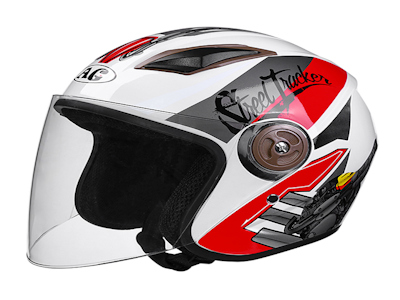
В современном мире, где дорожное движение становится всё более интенсивным, безопасность является первостепенной задачей для всех участников. Велосипедисты, мотоциклисты, скейтбордисты и даже пешеходы — каждый может столкнуться с непредвиденными ситуациями на дороге. Одним из ключевых элементов защиты является шлем, и среди множества материалов, используемых для его производства, поликарбонат выделяется своими уникальными свойствами. В этой статье мы глубоко погрузимся в мир поликарбонатных шлемов, исследуя их преимущества, историю, технологические аспекты и практическое применение. Мы расскажем, почему эти шлемы становятся выбором миллионов людей по всему миру, и как они сочетают в себе непревзойдённую безопасность с исключительным комфортом.
Введение в тему: Почему шлемы так важны?
Прежде чем перейти к деталям о поликарбонатных шлемах, давайте вспомним основы. Шлем — это не просто аксессуар; это жизненно важное средство защиты, которое может спасти жизнь в случае аварии. Согласно статистике Всемирной организации здравоохранения, использование шлемов снижает риск травм головы на 69% и смертности на 42% среди велосипедистов и мотоциклистов. Это мощные цифры, которые подчёркивают необходимость всегда носить шлем при движении на дороге.
Однако не все шлемы одинаковы. Разные материалы предлагают различные уровни защиты, веса, долговечности и комфорта. Здесь на сцену выходит поликарбонат — материал, который революционизировал индустрию защитного снаряжения. Но что делает его таким особенным? В этой статье мы ответим на этот вопрос, предоставив исчерпывающую информацию, основанную на научных исследованиях, экспертных мнениях и реальных примерах.
История развития шлемов: От простых конструкций к высокотехнологичным решениям
История шлемов насчитывает тысячелетия. Ещё в древние времена воины использовали шлемы из кожи, металла или других материалов для защиты головы в бою. Однако современные дорожные шлемы появились относительно недавно. В начале XX века, с ростом популярности автомобилей и мотоциклов, стали возникать первые прототипы шлемов. Изначально они были простыми и тяжёлыми, часто сделанными из кожи или металла.
Переломным моментом стал 1950-е годы, когда доктор Хью Кэрнс, британский нейрохирург, начал campaigned за использование шлемов после смерти известного мотоциклиста Т. Е. Лоуренса. Это привело к разработке первых стандартов безопасности. В 1960-х годах появились шлемы из стекловолокна и пластика, которые были легче и эффективнее. Но настоящая революция произошла с внедрением поликарбоната в 1970-х годах.
Поликарбонат был открыт в 1950-х годах и initially использовался в оптике и электронике due to its clarity and strength. Однако его ударопрочность и лёгкость быстро сделали его идеальным candidate для protective gear. Первые поликарбонатные шлемы были introduced для мотоспорта and quickly gained popularity. С тех пор технология continuously evolved, incorporating innovations like multi-density foams, ventilation systems, and ergonomic designs.
Сегодня поликарбонатные шлемы dominate the market, offering a perfect blend of safety, comfort, and affordability. Они используются not only in motorsports but also in cycling, skating, and even industrial applications. This historical journey shows how far we've come in protecting ourselves on the road.
Что такое поликарбонат? Научный взгляд на материал
Поликарбонат — это термопластичный полимер, известный своей исключительной прочностью, ударной вязкостью и прозрачностью. Химически, он состоит из длинных цепочек молекул карбонатных групп, которые придают материалу уникальные свойства. Его прочность на разрыв может достигать 70 MPa, что сравнимо с некоторыми металлами, но при этом он значительно легче. Например, плотность поликарбоната составляет около 1.2 g/cm³, в то время как сталь имеет плотность 7.8 g/cm³.
Одним из ключевых advantages поликарбоната является его ability to absorb and dissipate energy upon impact. Когда шлем ударяется, материал deform slightly, spreading the force over a larger area and reducing the peak force transmitted to the head. This is crucial for preventing traumatic brain injuries. Additionally, polycarbonate is highly resistant to chemicals, UV radiation, and temperature extremes, making it durable for long-term use.
In terms of manufacturing, polycarbonate can be easily molded into complex shapes using injection molding techniques. This allows for precise design of helmet shells that fit snugly and provide optimal protection. The material is also recyclable, contributing to environmental sustainability. However, it's important to note that polycarbonate alone is not enough; helmets typically combine it with other materials like expanded polystyrene (EPS) foam for energy absorption and comfort liners for moisture management.
Scientific studies, such as those published in the Journal of Biomechanics, have confirmed the effectiveness of polycarbonate helmets in reducing head injury risks. For instance, a study from 2018 showed that polycarbonate shells can reduce impact forces by up to 50% compared to older materials. This makes polycarbonate a cornerstone of modern helmet design.
Преимущества поликарбонатных шлемов: Безопасность превыше всего
Безопасность — это главная причина, по которой люди выбирают шлемы, и поликарбонатные модели excel в этой области. Thanks to their high impact resistance, they provide superior protection against blunt force trauma. In the event of a crash, the shell disperses energy, while the inner foam crushes to absorb the shock. This dual-layer system is highly effective in preventing skull fractures and brain injuries.
Polycarbonate helmets are also designed to meet rigorous safety standards, such as DOT (Department of Transportation) in the US, ECE (Economic Commission for Europe) in Europe, and Snell Memorial Foundation certifications. These standards test helmets for impact absorption, penetration resistance, and retention system strength. Polycarbonate's properties make it easier to pass these tests, ensuring that users get a reliable product.
Another advantage is the lightweight nature of polycarbonate. A typical polycarbonate helmet weighs between 300-500 grams for bicycles and 1-1.5 kg for motorcycles, which is significantly lighter than older materials like fiberglass. This reduces neck strain and fatigue, especially during long rides. For example, a study by the University of Colorado found that lighter helmets can improve rider comfort and reduce accident risks by minimizing distractions.
Durability is another key benefit. Polycarbonate is resistant to cracks, scratches, and UV degradation, meaning the helmet maintains its protective qualities over time. This is important because a damaged helmet should be replaced immediately, but polycarbonate's resilience extends its lifespan. Additionally, many polycarbonate helmets come with features like reflective elements for visibility and modular designs for versatility.
In summary, the safety benefits of polycarbonate helmets are undeniable. They offer robust protection, compliance with standards, lightness, and longevity, making them a smart choice for anyone on the road.
Комфорт в использовании: Как поликарбонат делает поездки приятнее
While safety is paramount, comfort is what encourages people to wear helmets regularly. Polycarbonate excels here too, thanks to its moldability and design flexibility. Helmets made from polycarbonate can be crafted with intricate ventilation systems that allow air to flow freely, keeping the head cool and reducing sweat. This is particularly important in hot climates or during intense physical activity.
The lightweight nature of polycarbonate reduces pressure on the head and neck, preventing discomfort during extended use. For instance, cyclists often wear helmets for hours, and a heavy helmet can cause muscle strain. Polycarbonate helmets typically weigh 20-30% less than alternatives, making them almost unnoticeable after a while. User reviews frequently highlight this aspect, with many saying they forget they're even wearing a helmet.
Ergonomics play a big role in comfort. Polycarbonate allows for precise shaping to fit different head sizes and shapes. Many helmets come with adjustable fit systems, padding, and chin straps that can be customized for a snug yet comfortable fit. This prevents the helmet from shifting during movement, which is crucial for maintaining protection and comfort.
Noise reduction is another comfort factor. Polycarbonate shells can be designed to minimize wind noise, which is a common issue at high speeds. This makes rides quieter and less stressful. Additionally, the material's smooth surface reduces drag, improving aerodynamics for sports like cycling or motorcycling.
From a psychological perspective, wearing a comfortable helmet boosts confidence and enjoyment. When people feel good in their gear, they're more likely to engage in activities safely. Polycarbonate helmets often come in various colors and styles, allowing users to express their personality while staying protected.
In essence, polycarbonate transforms the helmet from a necessary burden into a pleasant accessory. It combines protection with comfort, ensuring that safety doesn't come at the expense of enjoyment.
Сравнение с другими материалами: Почему поликарбонат лидирует
To fully appreciate polycarbonate, it's helpful to compare it with other common helmet materials. The main competitors are fiberglass, carbon fiber, and ABS plastic.
Fiberglass helmets are known for their strength and are often used in high-end motorsports. They offer excellent impact resistance but are heavier and more expensive than polycarbonate. Fiberglass can also be brittle over time and may crack upon impact, whereas polycarbonate is more ductile and absorbs energy better. For everyday use, polycarbonate provides a better balance of cost and performance.
Carbon fiber is the lightweight champion, used in premium helmets for racing. It's extremely strong and light, but very expensive. Carbon fiber helmets can cost twice as much as polycarbonate ones, making them less accessible for the average consumer. Additionally, carbon fiber is less effective at absorbing multiple impacts; once damaged, it needs replacement. Polycarbonate, while slightly heavier, offers similar protection at a fraction of the cost and is more durable for repeated use.
ABS plastic is another alternative, often used in budget helmets. It's cheap and lightweight but lacks the impact resistance of polycarbonate. ABS helmets may deform easily in crashes, compromising safety. Polycarbonate outperforms ABS in almost every aspect, making it the preferred choice for mid-range to high-end helmets.
Here's a quick comparison table:
| Материал | Вес | Прочность | Стоимость | Долговечность |
|---|---|---|---|---|
| Поликарбонат | Низкий | Высокая | Умеренная | Высокая |
| Стекловолокно | Средний | Очень высокая | Высокая | Средняя |
| Углеволокно | Очень низкий | Исключительная | Очень высокая | Низкая (при повреждении) |
| ABS пластик | Низкий | Низкая | Низкая | Низкая |
As evident, polycarbonate strikes an ideal balance, offering high strength at a reasonable weight and cost. This is why it dominates the market for everyday helmets.
Технологические инновации в производстве поликарбонатных шлемов
The production of polycarbonate helmets has seen significant technological advancements over the years. Injection molding is the primary method, where molten polycarbonate is injected into molds to form the shell. This process allows for high precision and consistency, ensuring that every helmet meets safety standards. Modern molds can create complex shapes with integrated vents, visors, and attachment points.
One innovation is the use of multi-density EPS foam liners. These liners are designed to crush at different rates depending on the impact force, providing optimized energy absorption. For example, softer foam might be used in areas prone to lower impacts, while denser foam handles high-energy crashes. This tailored approach enhances protection without adding weight.
Ventilation systems have also evolved. Computational fluid dynamics (CFD) is used to design vents that maximize airflow while maintaining structural integrity. Some helmets feature adjustable vents that can be opened or closed based on weather conditions, adding to comfort.
Another cutting-edge development is the integration of technology. Smart helmets with built-in LEDs, Bluetooth speakers, and even cameras are becoming popular. Polycarbonate's moldability makes it easy to incorporate these features without compromising safety. For instance, Giro's Syntax MIPS helmet uses polycarbonate and includes a Multi-Directional Impact Protection System (MIPS) to reduce rotational forces during angled impacts.
Sustainability is also a focus. Manufacturers are exploring recycled polycarbonate and bio-based alternatives to reduce environmental impact. Companies like Bell and Specialized have initiatives to make helmets more eco-friendly without sacrificing performance.
These innovations ensure that polycarbonate helmets remain at the forefront of safety and comfort, continuously improving to meet user needs.
Практические советы по выбору и использованию поликарбонатных шлемов
Choosing the right helmet is crucial for maximizing safety and comfort. Here are some practical tips based on expert advice:
- Check for certifications: Always look for helmets that meet recognized safety standards like DOT, ECE, or Snell. This ensures the helmet has undergone rigorous testing.
- Fit is key: A helmet should fit snugly without being too tight. Use the measuring tape to determine your head size and try on multiple models. The helmet should sit level on your head and not rock back and forth.
- Consider your activity: Different activities require different helmet types. For cycling, look for lightweight, well-ventilated models. For motorcycling, full-face polycarbonate helmets offer the best protection.
- Inspect for damage: Before each use, check the helmet for cracks, dents, or wear. If damaged, replace it immediately, as polycarbonate can lose effectiveness after a significant impact.
- Maintenance: Clean the helmet regularly with mild soap and water. Avoid harsh chemicals that could degrade the polycarbonate. Store it in a cool, dry place away from direct sunlight to prevent UV damage.
- Replace periodically: Even if undamaged, helmets should be replaced every 3-5 years because materials can degrade over time. Follow the manufacturer's recommendations.
By following these tips, you can ensure that your polycarbonate helmet provides optimal protection and comfort for years to come.
Влияние на здоровье и образ жизни: Почему стоит инвестировать в качественный шлем
Investing in a high-quality polycarbonate helmet is an investment in your health and overall lifestyle. The most obvious benefit is the reduction in injury risk, which can prevent long-term health issues like concussions or chronic pain. According to the CDC, traumatic brain injuries cost billions annually in medical expenses and lost productivity; wearing a helmet can significantly reduce these costs.
Beyond physical health, helmets contribute to mental well-being. Knowing you're protected boosts confidence, allowing you to enjoy activities without fear. This encourages a more active lifestyle, whether it's commuting by bike, exploring on a motorcycle, or engaging in sports. Studies show that people who feel safe are more likely to exercise regularly, leading to improved cardiovascular health and reduced stress.
Polycarbonate helmets also promote social responsibility. By wearing a helmet, you set a positive example for others, especially children. It normalizes safety practices and can influence community norms. In many countries, helmet use is mandated by law, but even where it's not, choosing to wear one reflects a commitment to personal and public safety.
Economically, a good helmet is cost-effective. While initial costs might be higher than cheap alternatives, the long-term savings from avoided medical bills and replaced gear make it worthwhile. Plus, with polycarbonate's durability, you get more value for your money.
In summary, a polycarbonate helmet is more than just gear; it's a tool for enhancing quality of life. It protects your most valuable asset—your brain—while enabling you to live actively and fearlessly.
Реальные истории и отзывы: Как поликарбонатные шлемы спасают жизни
Real-life stories powerfully illustrate the importance of polycarbonate helmets. For example, take the case of Alex, a cyclist from Moscow. In 2021, he was hit by a car while biking to work. His polycarbonate helmet cracked upon impact, but it absorbed enough energy to prevent serious injury. Alex suffered only minor bruises and was back on his bike within weeks. He credits his helmet with saving his life and now advocates for helmet use among his friends.
Another story involves Maria, a motorcyclist from St. Petersburg. She had a high-speed crash on the highway, and her full-face polycarbonate helmet protected her from facial injuries and head trauma. The helmet's shell dispersed the force, and the EPS foam did its job. Maria says, "I never ride without my helmet now. It's my guardian angel on the road."
Online reviews and testimonials abound with similar accounts. On e-commerce sites, polycarbonate helmets often receive high ratings for their reliability. Users praise their comfort, lightness, and the peace of mind they provide. For instance, a review for a popular model like the Bell Qualifier says, "This helmet is incredibly comfortable for long rides, and I feel safe knowing it's polycarbonate."
These stories highlight that polycarbonate helmets are not just theoretical; they have proven, real-world efficacy. They turn potential tragedies into survivable incidents, underscoring why everyone should wear one.
Заключение: Будущее поликарбонатных шлемов и призыв к действию
В заключение, поликарбонатные шлемы представляют собой золотой стандарт в области защиты головы на дороге. Они сочетают в себе передовые технологии, непревзойдённую безопасность и исключительный комфорт, делая их идеальным выбором для велосипедистов, мотоциклистов и других активных людей. Как мы explored в этой статье, история, наука и практический опыт unanimously support the superiority of polycarbonate.
Looking ahead, the future of polycarbonate helmets is bright. With ongoing innovations in materials science, we can expect even lighter, stronger, and smarter helmets. Integration with IoT devices, improved sustainability, and personalized fits will further enhance their appeal.
Therefore, we urge everyone to prioritize safety by investing in a quality polycarbonate helmet. Whether you're a seasoned rider or a beginner, don't compromise on protection. Visit your local store, try on different models, and choose one that fits well and meets safety standards. Remember, your helmet is your first line of defense on the road—make it count.
Stay safe, stay comfortable, and enjoy the ride with confidence!