
Экономика шлемов будущее безопасности и стиля
Время публикации:2025-12-25 12:01:10
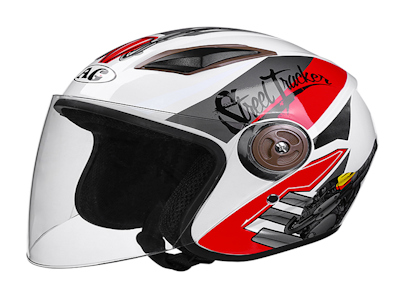
В современном мире, где скорость и мобильность определяют образ жизни, шлемы перестали быть просто защитным снаряжением. Они превратились в символы инноваций, стиля и экономического прогресса. Экономика шлемов – это не только о продажах и производстве; это о том, как один аксессуар может влиять на наше здоровье, культуру и даже глобальные рынки. В этой статье мы погрузимся в глубины этой увлекательной темы, исследуя, как шлемы формируют будущее безопасности и стиля.
Введение: Почему шлемы так важны?
Шлемы существуют уже тысячи лет, начиная с древних времен, когда воины использовали их для защиты в бою. Сегодня они эволюционировали в сложные устройства, которые спасают жизни на дорогах, в спорте и в повседневной деятельности. Согласно данным Всемирной организации здравоохранения, использование шлемов снижает риск травм головы на 69% и смертности на 42% среди мотоциклистов. Это не просто статистика – это доказательство того, что инвестиции в безопасность окупаются многократно.
Но безопасность – это только одна сторона медали. Шлемы также стали модным аксессуаром, отражающим личность и стиль владельца. От велосипедных шлемов с яркими принтами до мотоциклетных шлемов с технологиями дополненной реальности – они демонстрируют, как функциональность и эстетика могут идти рука об руку. Экономика шлемов охватывает производство, розничную торговлю, инновации и культурное влияние, создавая многомиллиардную индустрию, которая продолжает расти.
В этой статье мы рассмотрим ключевые аспекты экономики шлемов: историю и эволюцию, технологические прорывы, влияние на моду, экономические показатели, устойчивость и будущие тенденции. Приготовьтесь к путешествию в мир, где безопасность встречается со стилем, и где каждый шлем рассказывает свою уникальную историю.
История и эволюция шлемов: От древности до современности
История шлемов начинается в глубокой древности. Первые свидетельства их использования датируются примерно 2500 годом до н.э., когда шумеры и египтяне применяли кожаные и бронзовые шлемы для защиты в сражениях. Эти ранние designs были простыми, но эффективными, focusing on covering the head from blows. В средние века шлемы стали более сложными, с добавлением забрал и украшений, отражающих статус рыцаря.
Промышленная революция XIX века принесла новые материалы, такие как сталь и later plastics, которые revolutionized helmet production. В начале XX века, с ростом популярности автомобилей и мотоциклов, шлемы стали стандартом для безопасности на дорогах. Первые мотоциклетные шлемы были introduced in the 1910s, but it wasn't until the 1950s and 1960s, with studies showing their effectiveness, that they became widely adopted. Например, в 1953 году профессор Хью Кэрнс опубликовал исследование, доказывающее, что шлемы снижают смертность среди мотоциклистов, что led to mandatory helmet laws in many countries.
Эволюция продолжилась в конце XX века с появлением новых материалов like carbon fiber and Kevlar, которые сделали шлемы lighter and stronger. Велосипедные шлемы gained popularity in the 1970s with the cycling boom, and today, they are essential for cyclists worldwide. Спортивные шлемы, такие как those for skiing or skateboarding, also evolved to provide better protection and comfort.
Культурное влияние шлемов нельзя недооценивать. В поп-культуре шлемы often symbolize heroism or rebellion, from Star Wars' stormtroopers to motorcycle gangs in films. This cultural significance has helped drive demand and innovation, making helmets not just tools for safety but icons of style and identity.
In summary, the history of helmets is a story of continuous improvement, driven by necessity, innovation, and cultural shifts. From ancient battlefields to modern highways, helmets have always been at the forefront of protecting human life while adapting to changing times.
Технологические инновации в шлемах: Умные устройства для умной защиты
Современные шлемы – это не просто куски пластика или fiber; они are sophisticated devices packed with technology. One of the most exciting innovations is the integration of smart features. For example, many high-end motorcycle helmets now include built-in communication systems, allowing riders to connect via Bluetooth to their phones or other riders. This enhances safety by enabling hands-free communication and navigation.
Augmented reality (AR) is another breakthrough. Helmets with AR displays can project information directly into the rider's field of view, such as speed, directions, or warnings about obstacles. Companies like BMW and Skully have developed prototypes that make riding safer and more immersive. Similarly, for cyclists, helmets with integrated lights and sensors can detect falls and automatically send alerts to emergency contacts.
Materials science has also advanced significantly. Multi-directional impact protection systems (MIPS) are now common in bicycle and motorcycle helmets, designed to reduce rotational forces during an impact. This technology, developed in Sweden, has been shown to lower the risk of brain injuries. Additionally, the use of lightweight composites like carbon fiber and titanium makes helmets more comfortable without compromising protection.
Sustainability is becoming a key focus. Some manufacturers are exploring biodegradable materials or recycling programs for old helmets. For instance, Lazer Helmets has introduced a line made from recycled plastics, reducing environmental impact. These innovations not only improve safety but also align with growing consumer demand for eco-friendly products.
Looking ahead, the future may bring even more advancements, such as helmets with health monitoring sensors that track vital signs or AI-powered systems that predict and prevent accidents. The integration of 5G technology could enable real-time data exchange, making helmets part of a larger IoT ecosystem for transportation safety.
In essence, technological innovations are transforming helmets from passive protective gear into active, intelligent devices that enhance safety, connectivity, and sustainability. This evolution is driving the economy of helmets forward, creating new markets and opportunities.
Шлемы и мода: Как безопасность стала стильной
Gone are the days when helmets were clunky, unattractive necessities. Today, they are fashion statements that reflect personal style and trends. The intersection of safety and fashion has given rise to a vibrant subculture where helmets are designed not only to protect but also to express individuality.
In the world of cycling, for example, helmets come in a myriad of colors, patterns, and shapes. Brands like Giro and Bell collaborate with artists and designers to create limited-edition helmets that are as much about art as they are about function. These designs often draw inspiration from urban culture, nature, or pop art, making them desirable accessories for style-conscious cyclists.
Motorcycle helmets have also embraced fashion. From classic retro styles to futuristic designs, there is a helmet for every taste. Custom painting and airbrushing have become popular, allowing riders to personalize their helmets with unique graphics that tell a story or represent their personality. High-fashion brands have even entered the market; for instance, Ducati has partnered with luxury labels to create exclusive helmet collections.
The influence of celebrities and influencers cannot be overlooked. When a famous athlete or celebrity wears a particular helmet, it often sparks trends and boosts sales. Social media platforms like Instagram are filled with photos of stylish helmets, creating a community where safety is celebrated as cool and fashionable.
This fusion of fashion and function has economic implications. It drives higher profit margins for manufacturers, as consumers are willing to pay premium prices for aesthetically pleasing products. Additionally, it expands the market beyond traditional safety-conscious users to include fashion enthusiasts and collectors.
Moreover, the trend towards customization and personalization is fostering a niche economy of small businesses and artisans who specialize in helmet design and modification. This democratization of fashion allows for greater creativity and innovation, further enriching the ecosystem.
In conclusion, the marriage of safety and style in helmets is a testament to human creativity. It shows that practical items can be beautiful and that protecting oneself doesn't have to mean sacrificing self-expression. As this trend continues, we can expect even more exciting developments in the fashion-forward world of helmets.
Экономические аспекты: Рынок шлемов и его impact
The global helmet market is a multi-billion dollar industry that continues to grow steadily. According to market research, the value was estimated at over $4 billion in 2023 and is projected to reach nearly $6 billion by 2028, with a compound annual growth rate (CAGR) of around 6%. This growth is driven by increasing awareness of safety, stringent government regulations, and rising participation in sports and recreational activities.
Key segments of the market include motorcycle helmets, bicycle helmets, sports helmets (e.g., for skiing or skating), and industrial helmets. Motorcycle helmets dominate the market, accounting for the largest share due to high demand in regions like Asia-Pacific, where motorcycle usage is prevalent. In countries like India and Vietnam, helmet laws have been enforced strictly, boosting sales. For example, after India made helmets mandatory for all two-wheeler riders, sales surged by over 20% in a year.
Bicycle helmets are another significant segment, fueled by the global cycling boom and urbanization. Cities promoting cycling infrastructure, such as Amsterdam or Copenhagen, have seen increased helmet adoption. Additionally, the e-bike revolution is creating new opportunities, as riders seek protection for higher speeds.
Economically, the helmet industry supports numerous jobs in manufacturing, design, retail, and marketing. Major players include companies like Bell, Shoei, Arai, and Giro, but there are also many small and medium enterprises innovating in niche areas. The supply chain involves raw material suppliers (e.g., plastics, metals), manufacturers, distributors, and retailers, creating a robust economic ecosystem.
Innovation and R&D play a crucial role in driving economic value. Investments in new technologies, such as smart helmets or sustainable materials, can lead to higher margins and competitive advantages. For instance, a company that develops a breakthrough safety feature may capture market share and increase profitability.
Consumer behavior also impacts the economy. As people become more health-conscious and safety-aware, they are willing to spend more on premium helmets. This shift towards quality over quantity benefits manufacturers who focus on high-end products.
However, challenges exist, such as counterfeit products flooding the market in some regions, which can undermine safety and economic growth. Education and enforcement are key to addressing these issues.
In summary, the economy of helmets is dynamic and multifaceted, influenced by regulatory changes, technological advancements, and cultural trends. It not only generates revenue but also contributes to public health and safety, making it a vital part of the global economy.
Устойчивость и экологичность: Зеленое будущее шлемов
As environmental concerns take center stage, the helmet industry is increasingly focusing on sustainability. Traditional helmets are often made from plastics and other materials that are not biodegradable, contributing to waste. However, manufacturers are exploring ways to reduce their environmental footprint.
One approach is the use of recycled materials. For example, some companies are producing helmets from recycled PET bottles or ocean plastics. This not only helps reduce waste but also appeals to eco-conscious consumers. Brands like Nutcase and Thousand have launched lines made from sustainable materials, marketing them as both safe and green.
Another innovation is the development of biodegradable helmets. Researchers are experimenting with materials like mycelium (mushroom-based) or plant-based polymers that can decompose naturally after use. While still in early stages, these alternatives promise a future where helmets don't end up in landfills.
Energy-efficient manufacturing processes are also being adopted. Companies are investing in renewable energy sources for their factories and reducing water usage during production. For instance, some helmet manufacturers in Europe have achieved carbon neutrality by offsetting emissions through reforestation projects.
Recycling programs for old helmets are another positive step. Instead of throwing away used helmets, consumers can return them to manufacturers for recycling into new products. This circular economy model minimizes waste and conserves resources.
Consumer education is crucial. By raising awareness about the environmental impact of helmets and promoting sustainable choices, the industry can drive change from the demand side. Social media campaigns and certifications like EcoLabel can help guide consumers towards greener options.
Ultimately, sustainability in the helmet industry is not just about reducing harm; it's about creating a positive impact. As technology advances, we may see helmets that are not only protective and stylish but also fully sustainable, aligning with global goals for a healthier planet.
Будущие тенденции: Что ждет шлемы в ближайшие десятилетия
The future of helmets is bright and full of possibilities. Several trends are poised to shape the industry in the coming years, making helmets even more integral to our lives.
First, the integration of artificial intelligence (AI) and machine learning will revolutionize helmet safety. AI-powered helmets could analyze data in real-time to predict accidents, adjust protection levels based on conditions, or even communicate with other vehicles to prevent collisions. For autonomous vehicles, helmets might become unnecessary, but for active transportation, they will evolve into smart guardians.
Second, personalization will reach new heights. With advancements in 3D printing, consumers could design and print custom-fit helmets at home, tailored to their exact head shape and style preferences. This would enhance comfort and safety while reducing waste from mass production.
Third, the rise of urban air mobility (e.g., flying taxis) will create demand for new types of helmets. These might include features for altitude adjustment, oxygen supply, or enhanced visibility, opening up entirely new markets.
Fourth, health and wellness integration will become standard. Helmets with embedded sensors could monitor vitals like heart rate, hydration levels, or fatigue, providing alerts to users and healthcare providers. This could be particularly valuable for athletes or elderly individuals.
Fifth, cultural shifts towards minimalism and multifunctionality might lead to helmets that serve multiple purposes. Imagine a helmet that doubles as a headphones or a solar charger, making it an essential everyday item.
However, challenges such as regulatory hurdles, cybersecurity risks with smart devices, and economic disparities in access to advanced helmets must be addressed. Collaboration between governments, industries, and communities will be key to ensuring that these innovations benefit everyone.
In conclusion, the future of helmets is not just about better protection; it's about creating a seamless blend of safety, style, and technology that enhances human experience. As we move forward, helmets will continue to be at the intersection of innovation and everyday life, driving the economy of safety and style to new heights.
Заключение: Шлемы как символ прогресса
В заключение, экономика шлемов – это мощная сила, объединяющая безопасность, стиль и инновации. От своих скромных начал в древности до современных умных устройств, шлемы прошли долгий путь, спасая жизни и выражая индивидуальность. Они демонстрируют, как практичные предметы могут стать катализаторами экономического роста и культурного обмена.
Как мы explored в этой статье, шлемы влияют на множество аспектов: от технологических прорывов и модных тенденций до устойчивого развития и глобальных рынков. Они напоминают нам, что инвестиции в безопасность – это не только необходимость, но и возможность для творчества и прогресса.
Looking ahead, the potential for helmets is limitless. Whether it's through AI, sustainability, or fashion, they will continue to evolve, reflecting the changing needs and desires of society. As consumers, we have the power to drive this evolution by choosing products that prioritize safety, style, and sustainability.
So next time you put on a helmet, remember that you're not just protecting yourself – you're participating in a dynamic economy that shapes the future. Let's embrace this journey together, where every helmet tells a story of innovation and care.
Спасибо за чтение, и оставайтесь в безопасности и стиле!