

Современные полицейские шлемы новый уровень защиты
Время публикации:2025-12-17 16:01:10
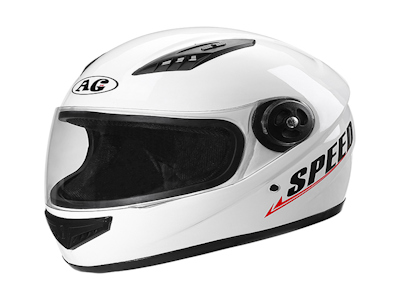
Вы когда-нибудь задумывались, насколько безопасны современные полицейские шлемы? В мире, где угрозы становятся все более разнообразными, от физических нападений до кибератак, как эти шлемы адаптируются, чтобы обеспечить максимальную защиту? Давайте погрузимся в детали и узнаем, что делает их таким надежным щитом для тех, кто стоит на страже порядка.
История развития полицейских шлемов: от простых касок к высокотехнологичным решениям
Полицейские шлемы прошли долгий путь от простых металлических или кожаных конструкций до сложных систем, интегрирующих электронику и материалы, способные выдерживать экстремальные воздействия. Как эти изменения повлияли на безопасность офицеров? Ранние шлемы, например, использовавшиеся в XIX веке, обеспечивали минимальную защиту от ударов, но сегодняшние модели могут поглощать энергию удара, снижая риск травм головы. Инновации в материалах, таких как кевлар и углеродное волокно, позволили создать легкие, но прочные шлемы, которые не сковывают движения. Но достаточно ли этого в эпоху, когда преступники могут использовать огнестрельное оружие или взрывчатые вещества? Ответ, вероятно, заключается в постоянном совершенствовании: современные шлемы часто тестируются в лабораториях на соответствие строгим стандартам, таким как NIJ (Национальный институт юстиции) в США или аналогичным в других странах. Однако, как мы можем быть уверены, что эти стандарты охватывают все возможные сценарии? Возможно, реальные полевые испытания и отзывы офицеров играют ключевую роль в этом процессе.
Ключевые особенности современных полицейских шлемов: что делает их такими эффективными?
Современные полицейские шлемы оснащены множеством функций, которые повышают не только защиту, но и оперативность. Например, многие модели включают в себя системы связи, позволяющие офицерам координировать действия в реальном времени. Как это улучшает ситуационную осведомленность? В условиях хаотичных операций, таких как riots или террористические атаки, возможность быстро общаться может спасти жизни. Кроме того, шлемы часто имеют крепления для камер или датчиков, которые записывают видео и данные для последующего анализа. Но не создают ли эти технологии новые уязвимости, например, к хакерским атакам? Производители утверждают, что используют шифрование и защищенные протоколы, но всегда ли этого достаточно? Другая важная особенность — это ergonomic design, который обеспечивает комфорт при длительном ношении. Офицеры могут проводить часы в шлемах во время патрулирования или специальных операций, поэтому вес и балансировка критичны. Однако, как мы измеряем оптимальный баланс между защитой и удобством? Исследования в области биомеханики показывают, что даже небольшие improvements в дизайне могут значительно снизить усталость и повысить производительность. Но что, если офицеру придется действовать в экстремальных условиях, таких как жара или холод? Современные шлемы часто имеют системы вентиляции или терморегуляции, но насколько они эффективны? Возможно, будущие разработки включат smart materials, которые адаптируются к окружающей среде автоматически.
Материалы и технологии: как наука делает шлемы прочнее и умнее?
Использование advanced materials, таких как composites на основе полимеров, позволяет создавать шлемы, которые легче старых аналогов, но при этом способны остановить пули или осколки. Например, кевлар, разработанный DuPont, широко применяется для ballistic protection due to its high strength-to-weight ratio. Но как эти материалы behave under repeated impacts? Лабораторные тесты показывают, что современные шлемы могут выдерживать multiple hits without significant degradation, но в реальном мире офицеры rarely face such scenarios alone. What about protection against blunt force trauma? Many helmets include padding systems that absorb and dissipate energy, reducing the risk of concussions. However, is there a limit to how much energy can be absorbed? Studies in trauma medicine suggest that even with the best materials, there's always a risk, especially from high-velocity projectiles. This leads to the integration of additional technologies, such as sensors that monitor vital signs or environmental conditions. For instance, some prototypes include heart rate monitors or gas detectors that alert the wearer to dangers. But how reliable are these systems in high-stress situations? And what about the cost? High-tech helmets can be expensive, which might limit their adoption in budget-constrained departments. Perhaps partnerships between governments and private companies could drive innovation while keeping costs manageable. Ultimately, the goal is to create a helmet that not only protects but also enhances the officer's capabilities, but are we there yet?
Реальные применения и case studies: где современные шлемы доказали свою эффективность?
В реальных операциях современные полицейские шлемы не раз спасали жизни. Например, during the 2015 Paris attacks, officers wearing advanced helmets were better protected against gunfire and debris, allowing them to respond more effectively. But how do we quantify this effectiveness? Statistics from law enforcement agencies show a reduction in head injuries among officers using modern equipment compared to those with older gear. However, correlation does not always imply causation—other factors, such as training and tactics, play a role. In riot control situations, helmets with face shields and communication systems have proven invaluable for maintaining order and safety. But what about less dramatic scenarios, like daily patrols? Even there, a well-designed helmet can prevent injuries from falls or assaults. Case studies from cities like New York or London highlight instances where helmets stopped knives or blunt objects, but are these anecdotes enough to justify widespread adoption? Perhaps more systematic research is needed, involving simulations and field tests. Additionally, feedback from officers is crucial; many report increased confidence and performance when wearing modern helmets. Yet, some criticize them for being too bulky or interfering with peripheral vision. How do manufacturers address these concerns? Through iterative design and user-centered approaches, but is the pace of innovation fast enough to keep up with evolving threats? As criminals adopt new technologies, such as drones or advanced weapons, police helmets must evolve too. This raises the question: are we investing sufficiently in R&D for future-proof solutions?
Будущее полицейских шлемов: какие инновации ждут нас впереди?
Looking ahead, the future of police helmets seems promising with emerging technologies like augmented reality (AR) and artificial intelligence (AI). Imagine a helmet that overlays real-time data onto the wearer's field of view, showing maps, suspect information, or threat alerts. How would this transform policing? It could enhance decision-making and reduce response times, but also raise privacy and ethical concerns. For example, if AI algorithms are used to identify threats, there's a risk of bias or errors. Moreover, integration with body cameras and other IoT devices could create a comprehensive network for situational awareness, but what about data security? Hackers targeting such systems could compromise entire operations. Another area of innovation is in materials science; researchers are exploring nanomaterials that self-heal or change properties based on conditions. Could we see helmets that repair themselves after minor impacts? Or ones that provide active protection, such as emitting countermeasures against projectiles? However, these ideas are still in early stages and face practical challenges, like cost and scalability. Additionally, as policing becomes more community-oriented, helmets might need to be designed for better communication and less intimidating appearance. How do we balance tactical needs with public perception? Ultimately, the goal is to create equipment that not only protects officers but also fosters trust and efficiency. But are we ready for such a future, or will it introduce new complexities? Continuous collaboration between law enforcement, scientists, and the public will be key to shaping these advancements.
Заключение: насколько надежны современные полицейские шлемы в сегодняшнем мире?
В заключение, современные полицейские шлемы represent a significant leap in protection, blending advanced materials, electronics, and ergonomic design to safeguard officers in diverse scenarios. But questions remain: are they perfect? Probably not—there's always room for improvement, especially as threats evolve. However, the progress made so far is commendable, and ongoing innovations promise even greater safety. As we move forward, it's essential to prioritize research, training, and ethical considerations to ensure that these tools serve their purpose without unintended consequences. So, the next time you see an officer in a high-tech helmet, remember the science and effort behind it, and perhaps ask yourself: how can we support further advancements to protect those who protect us?