

Современные шлемы с композитными материалами для безопасности и стиля
Время публикации:2025-12-14 04:01:10
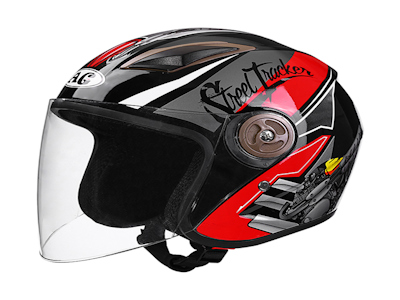
В современном мире, где скорость и мобильность становятся неотъемлемой частью повседневной жизни, безопасность остается приоритетом номер один. Шлемы, как незаменимые защитные средства, эволюционировали от простых металлических конструкций до высокотехнологичных изделий, изготовленных из композитных материалов. Эти материалы не только обеспечивают беспрецедентную защиту, но и придают шлемам стильный и современный вид, делая их привлекательными для широкого круга пользователей. В этой статье мы глубоко погрузимся в мир современных шлемов, исследуя, как композитные материалы революционизируют индустрию, сочетая безопасность и стиль в одном продукте.
Введение в композитные материалы
Композитные материалы представляют собой комбинацию двух или более различных материалов, которые вместе создают продукт с улучшенными свойствами. В контексте шлемов, наиболее распространенными композитами являются углеродное волокно, кевлар, стекловолокно и различные полимерные матрицы. Эти материалы известны своей высокой прочностью, легкостью и способностью поглощать ударные нагрузки. История использования композитов в защитном снаряжении началась в аэрокосмической и военной отраслях, где требования к прочности и весу были крайне высоки. Со временем, благодаря advancements в технологии производства, композиты стали доступны для потребительских продуктов, включая шлемы для велоспорта, мотоспорта, и других активностей.
Углеродное волокно, например, состоит из тонких нитей углерода, сплетенных в ткань и пропитанных смолой. Это придает материалу исключительную жесткость и прочность при минимальном весе. Кевлар, разработанный компанией DuPont, известен своей устойчивостью к ударам и разрезанию, что делает его идеальным для applications, где требуется защита от проникновения. Стекловолокно, хотя и менее прочное, чем углеродное волокно, предлагает отличное соотношение цены и качества, широко используясь в бюджетных шлемах. Полимерные матрицы, такие как эпоксидные смолы, связывают волокна вместе, обеспечивая structural integrity и способность к формованию сложных shapes.
Преимущества композитных материалов в шлемах многочисленны. Во-первых, они significantly reduce weight compared to traditional materials like steel or aluminum. Легкий шлем меньше утомляет пользователя при длительном использовании, что особенно важно для велосипедистов и мотоциклистов. Во-вторых, композиты обладают superior energy absorption capabilities. При ударе, материал деформируется, dissipating energy and reducing the force transmitted to the head. Это напрямую снижает риск травм, таких как сотрясение мозга или переломы черепа. В-третьих, композитные материалы allow for innovative designs and aerodynamics. Производители могут создавать шлемы с обтекаемыми формами, которые reduce wind resistance and improve comfort at high speeds.
Однако, использование композитов также presents challenges. Процесс производства often involves complex techniques like vacuum bagging or autoclave curing, which can drive up costs. Additionally, recycling composite materials is difficult due to their heterogeneous nature, raising environmental concerns. Despite these issues, the benefits outweigh the drawbacks, making composites the material of choice for high-end helmets.
Эволюция шлемов: от прошлого к настоящему
История шлемов насчитывает тысячелетия, начиная с древних времен, когда воины использовали металлические шлемы для защиты в бою. Эти ранние designs были heavy, cumbersome, and offered limited protection. С развитием технологий, в 20 веке появились первые специализированные шлемы для спорта и транспорта. Например, велосипедные шлемы initially made of leather or hard plastic provided basic protection but were inefficient in serious accidents.
Переломным моментом стало introduction of polystyrene foam in the mid-20th century. Этот материал, известный своими амортизирующими свойствами, стал standard for inner liners in helmets. Однако, outer shells still relied on materials like ABS plastic, which were durable but heavy. В 1970-х и 1980-х годах, с ростом awareness о безопасности, организации such as Snell Memorial Foundation and DOT (Department of Transportation) established safety standards, pushing manufacturers to innovate.
Вход композитных материалов в индустрию шлемов произошел в 1980-х годах, primarily in motorcycle helmets. Производители like Shoei and Arai began experimenting with fiberglass and carbon fiber to create lighter and stronger shells. К 1990-м годам, композиты became more mainstream, with advancements in production techniques making them more affordable. Сегодня, практически все high-performance helmets utilize composites in some form, whether it's a full carbon fiber shell or a hybrid design with other materials.
Современные шлемы not only focus on safety but also on comfort, ventilation, and style. Features like adjustable visors, integrated communication systems, and customizable fit systems have become standard. The evolution continues with smart helmets equipped with sensors and connectivity, showcasing how composites enable thin, lightweight designs that can incorporate electronics without compromising protection.
Типы шлемов и их применение
Шлемы designed for different activities have unique requirements, and composites play a key role in meeting them. Let's explore the main categories.
Велосипедные шлемы
Велосипедные шлемы are perhaps the most common type where composites are used. Они должны быть lightweight and well-ventilated to ensure comfort during long rides. Композитные материалы, такие как углеродное волокно, allow for thin shells with extensive vent holes that don't weaken the structure. High-end models from brands like Giro or Specialized often feature carbon fiber reinforced polymers that provide excellent impact protection while weighing less than 300 grams. Additionally, composites enable aerodynamic shapes that reduce drag, beneficial for competitive cyclists.
Safety standards for bicycle helmets, such as those from CPSC (Consumer Product Safety Commission) or EN 1078, require rigorous testing for impact absorption and retention. Composites excel in these tests due to their ability to distribute force evenly. Moreover, the stylish designs possible with composites make helmets more appealing, encouraging more people to wear them regularly.
Мотошлемы
Мотошлемы demand the highest level of protection due to the speeds involved. Full-face helmets, modular helmets, and open-face helmets all benefit from composite construction. Углеродное волокно и кевлар are commonly used in premium motorcycle helmets from brands like Shoei, Arai, or AGV. These materials provide a strong outer shell that can withstand multiple impacts and protect against penetration from debris.
The inner liner typically uses expanded polystyrene (EPS) foam for energy absorption, but the composite shell enhances overall durability. Features like built-in sun visors, pinlock anti-fog systems, and advanced ventilation are made possible by the moldability of composites. Furthermore, the lightweight nature reduces neck strain during long rides, improving rider comfort and safety.
Спортивные шлемы для других видов активности
Beyond cycling and motorcycling, composites are used in helmets for skiing, snowboarding, skateboarding, and even equestrian sports. Each activity has specific needs; for example, ski helmets require insulation and compatibility with goggles, while skate helmets need durability for repeated impacts. Composites allow for tailored designs that meet these demands without adding bulk.
In extreme sports like motorsports or aviation, helmets made entirely from carbon fiber offer maximum protection and minimal weight, crucial for performance and safety. The versatility of composites means they can be engineered for any application, from recreational use to professional racing.
Технологии производства композитных шлемов
Производство шлемов из композитных материалов involves several advanced techniques to ensure quality and consistency. The most common methods include hand lay-up, compression molding, and injection molding for certain polymers.
Hand lay-up is a traditional method where layers of fiber fabric are placed in a mold and impregnated with resin by hand. This allows for customization and is often used for low-volume, high-end products. However, it is labor-intensive and can result in variations in thickness and strength.
Compression molding involves placing pre-impregnated (prepreg) materials into a mold and applying heat and pressure to cure the resin. This method produces uniform parts with excellent mechanical properties and is widely used for mass production of helmet shells. Prepreg materials consist of fibers pre-coated with resin, ensuring consistent distribution and reducing voids.
Injection molding is used for thermoplastic composites, where molten material is injected into a mold. This is faster and more cost-effective for high-volume production but may not offer the same strength as thermoset composites like those used in hand lay-up or compression molding.
Quality control is critical in composite helmet production. Non-destructive testing methods, such as ultrasonic scanning or X-ray, are used to detect defects like delamination or voids. Additionally, each helmet batch undergoes impact testing to verify compliance with safety standards. The use of computer-aided design (CAD) and finite element analysis (FEA) allows engineers to simulate impacts and optimize designs before physical prototyping, reducing development time and costs.
Environmental considerations are also important. While composites are durable, their production can be energy-intensive, and end-of-life disposal is challenging due to the difficulty in recycling thermoset resins. Some manufacturers are exploring bio-based resins or recyclable thermoplastic composites to address these issues, paving the way for more sustainable helmet production.
Преимущества безопасности композитных шлемов
Безопасность является paramount in helmet design, and composites offer significant advantages over traditional materials. The key benefit is their high strength-to-weight ratio, which means they can provide robust protection without the heaviness of metals.
При ударе, композитный шлем works by dissipating energy through the deformation of the material. The outer shell cracks or flexes, absorbing some of the force, while the inner foam liner compresses to further reduce impact transmission to the head. This multi-layer approach is highly effective in preventing serious injuries. Studies have shown that helmets with composite shells can reduce the risk of head trauma by up to 50% compared to non-helmeted scenarios.
Composites also offer better resistance to penetration. In accidents involving sharp objects, such as in motorcycle crashes, a composite shell can prevent objects from piercing through to the head. Materials like kevlar are specifically designed for this purpose, providing cut resistance.
Furthermore, composites can be engineered to have anisotropic properties, meaning their strength varies with direction. This allows designers to reinforce critical areas, such as the front or sides of the helmet, where impacts are more likely. Advanced modeling techniques ensure that the helmet performs optimally under various impact angles and velocities.
Compliance with international safety standards, such as ECE 22.06 for motorcycle helmets or NTA 8776 for bicycle helmets, is easier to achieve with composites due to their customizable nature. Manufacturers can tune the material composition and thickness to meet specific certification requirements, ensuring that every helmet sold provides reliable protection.
Стиль и дизайн: как композиты делают шлемы модными
В дополнение к безопасности, современные потребители demand style and aesthetics from their gear. Композитные материалы enable sleek, modern designs that were impossible with older materials. The ability to mold composites into complex shapes allows for aerodynamic profiles, integrated features, and personalized graphics.
For instance, carbon fiber has a distinctive weave pattern that is often left exposed for a high-tech, luxurious look. This has become a status symbol in many sports, with brands offering custom paint jobs and finishes to match personal style. In bicycle helmets, composites allow for large vent openings that not only improve cooling but also create a aggressive, race-inspired appearance.
Color and finish options are vast with composites. Through processes like hydro dipping or direct printing, manufacturers can apply intricate designs, logos, and colors without adding significant weight. This customization extends to fit systems, where composites can be used in adjustable mechanisms that are both functional and visually appealing.
The trend towards minimalism and integration is also facilitated by composites. Smart helmets, which include features like Bluetooth speakers, LED lights, or cameras, rely on thin, lightweight shells to house electronics discreetly. Composites provide the necessary strength without bulk, ensuring that the helmet remains comfortable and stylish.
In summary, composites have transformed helmets from purely functional items into fashion statements. Whether it's a vibrant mountain bike helmet or a subdued urban commuting helmet, the design possibilities are endless, encouraging more people to adopt safety gear as part of their daily attire.
Инновации и будущие тенденции
Индустрия шлемов continues to evolve, with composites at the forefront of innovation. One emerging trend is the use of nanomaterials, such as carbon nanotubes or graphene, to enhance the properties of composites. These materials can increase strength, conductivity, and even add self-healing capabilities, though they are still in the experimental stage for consumer products.
Another area of development is sustainability. Researchers are working on recyclable composites and bio-based resins derived from plants. For example, flax or hemp fibers can be used as reinforcements, offering an eco-friendly alternative to synthetic fibers. These materials are biodegradable and have a lower environmental impact, aligning with growing consumer demand for green products.
Smart technology integration is also advancing rapidly. Future helmets may include sensors that detect impacts and automatically alert emergency services, or augmented reality displays that provide navigation and data overlays. Composites enable the lightweight construction needed to accommodate these technologies without compromising safety.
Additionally, 3D printing of composites is becoming more feasible, allowing for on-demand customization of helmets based on individual head scans. This could revolutionize fit and comfort, ensuring perfect protection for every user.
As autonomous vehicles and new modes of transportation emerge, helmets may adapt to new roles, but the core principles of safety and style will remain. Composites will continue to be essential in meeting these challenges, driving innovation for years to come.
Заключение
Современные шлемы с композитными материалами represent a perfect fusion of safety and style. Through the use of advanced materials like carbon fiber, kevlar, and fiberglass, manufacturers are able to create products that are not only highly protective but also lightweight, comfortable, and aesthetically pleasing. The evolution from heavy metal helmets to sleek composite designs has made safety gear more accessible and appealing to a broad audience.
As technology progresses, we can expect even greater innovations, from smarter helmets to sustainable materials. The key takeaway is that composites have irrevocably changed the helmet industry, setting a new standard for what is possible in personal protection. Whether you're a cyclist, motorcyclist, or enthusiast of any sport, investing in a composite helmet is a step towards safer and more stylish adventures.
Embrace the future of safety with confidence—choose a helmet that leverages the power of composites for unparalleled protection and panache.