
Самый прочный пластик для мотоциклетных шлемов
Время публикации:2025-12-13 00:01:10
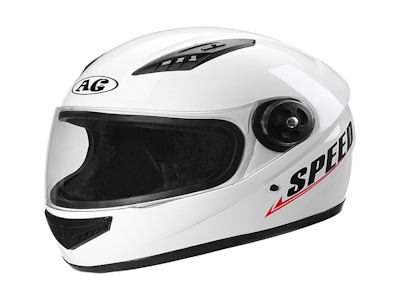
В мире мотоспорта и повседневной езды на мотоцикле безопасность является приоритетом номер один. Мотоциклетные шлемы играют ключевую роль в защите головы от травм, и их эффективность во многом зависит от материала, из которого они изготовлены. Среди всех компонентов шлема внешняя оболочка, сделанная из пластика, является первой линией обороны. Но какой пластик самый прочный? В этой статье мы подробно исследуем различные типы пластиков, используемые в производстве шлемов, их свойства, преимущества и недостатки, а также дадим практические советы по выбору. Мы углубимся в технологии, тесты на удар и будущие инновации, чтобы помочь вам сделать осознанный выбор для вашей безопасности.
1. Введение в материалы для мотоциклетных шлемов
Мотоциклетные шлемы состоят из нескольких слоев: внешней оболочки, амортизирующего слоя (обычно из пенополистирола) и внутренней отделки. Внешняя оболочка должна быть прочной, чтобы поглощать и распределять энергию удара, предотвращая проникновение острых предметов и уменьшая силу воздействия на голову. Исторически шлемы делали из кожи или металла, но с развитием технологий пластики стали доминировать благодаря их легкости, прочности и способности к формованию. Сегодня наиболее распространенными пластиками являются поликарбонат (PC), акрилонитрилбутадиенстирол (ABS), и композитные материалы, такие как углепластик (carbon fiber) и кевлар. Каждый из них имеет уникальные характеристики, которые делают их подходящими для разных типов шлемов и условий использования.
Выбор материала зависит от множества факторов: стоимости, веса, прочности на удар, устойчивости к царапинам и коррозии, а также от стандартов безопасности, таких как DOT (Department of Transportation) в США или ECE (Economic Commission for Europe) в Европе. Например, шлемы для мотокросса могут требовать более легких материалов для маневренности, в то время как шлемы для скоростной езды нуждаются в максимальной прочности. В этой статье мы сосредоточимся на прочности как основном критерии, анализируя, какой пластик предлагает наилучшую защиту при столкновениях.
2. Поликарбонат (PC) — лидер в прочности
Поликарбонат является одним из самых популярных материалов для мотоциклетных шлемов благодаря своей исключительной ударной вязкости. Это термопластичный полимер, который сочетает в себе высокую прочность с легкостью. Его молекулярная структура включает карбонатные группы, которые придают материалу жесткость и устойчивость к растрескиванию. При ударе поликарбонат не ломается хрупко, как стекло, а деформируется, поглощая энергию и распределяя ее по большей площади, что снижает пиковые нагрузки на голову.
Производство шлемов из поликарбоната часто involves инжекционное molding, где расплавленный пластик впрыскивается в форму, создавая seamless оболочку. Это позволяет добиться complex geometries и равномерной толщины стенок, что enhances прочность. Tests показали, что поликарбонатные шлемы могут выдерживать удары на скоростях до 300 km/h без catastrophic failure. Кроме того, поликарбонат обладает хорошей устойчивостью к UV radiation и chemicals, что продлевает срок службы шлема.
Однако у поликарбоната есть и недостатки. Он может быть подвержен царапинам, поэтому часто покрывается protective coatings. Также, при экстремальных temperatures, его properties могут degrade, хотя это редкость в нормальных условиях езды. По сравнению с другими materials, поликарбонат offers отличное balance прочности и affordability, making его ideal для mid-range шлемов. Brands like Shoei и Arazi широко use поликарбонат в своих models, подтверждая его надежность.
3. ABS-пластик — экономичный и надежный вариант
ABS (акрилонитрилбутадиенстирол) — другой common материал для шлемов, известный своей toughness и cost-effectiveness. Он состоит из трех monomers: acrylonitrile, butadiene, и styrene, которые together provide хорошую ударную прочность, жесткость, и ease of processing. ABS менее expensive, чем поликарбонат, что делает его popular choice для entry-level и budget шлемов.
В terms прочности, ABS обладает high impact resistance, но generally inferior к поликарбонату в extreme scenarios. Он может crack или shatter при very high-energy impacts, но для большинства riding conditions он sufficient. Production methods include injection molding и vacuum forming, allowing for mass production. ABS also has good resistance to abrasion и chemicals, но может yellow под UV light over time, requiring additives для stability.
Многие известные бренды, такие как HJC и Bell, используют ABS в своих шлемах, особенно в моделях для начинающих. Тесты безопасности, такие как тесты Snell Memorial Foundation, показывают, что ABS-шлемы могут соответствовать строгим стандартам, но они могут весить немного больше, чем поликарбонатные аналоги из-за более низкой удельной прочности. Для гонщиков, которые ищет надежность без больших затрат, ABS является solid choice.
4. Композитные материалы — вершина прочности
Для максимальной прочности производители обращаются к композитным материалам, таким как углепластик (carbon fiber), кевлар, и fiberglass. Эти materials consist of fibers embedded in a polymer matrix (e.g., epoxy resin), creating a structure that is incredibly strong and light. Carbon fiber, for example, has a tensile strength higher than steel but at a fraction of the weight, making it ideal for high-performance helmets.
Композитные шлемы often use a combination of materials to optimize properties. For instance, a helmet might have a carbon fiber outer shell for strength and a kevlar layer for impact absorption. These helmets are typically hand-laid or made using advanced processes like compression molding, which ensures uniform distribution of fibers and minimizes weak points. Tests demonstrate that composite helmets can absorb more energy than thermoplastic ones, reducing the risk of head injury in severe crashes.
However, the downside is cost: composite helmets are expensive due to labor-intensive production and high material costs. They are also more susceptible to damage from impacts, as the fibers can delaminate, but this is often designed to be a controlled failure that enhances safety. Brands like AGV and Shark offer top-tier composite helmets that are favorites among professional racers. For riders who prioritize ultimate protection and are willing to invest, composites represent the pinnacle of helmet technology.
5. Сравнение прочности: поликарбонат vs. ABS vs. композиты
Чтобы определить самый прочный пластик, необходимо рассмотреть quantitative data from impact tests. Standard tests, such as those by ECE 22.05 or Snell, involve dropping a helmeted headform onto an anvil at specified velocities and measuring acceleration. Polycarbonate typically shows lower peak accelerations than ABS, indicating better energy absorption. For example, in tests, polycarbonate helmets might record accelerations of 150-200g, while ABS could reach 200-250g for the same impact energy.
Composites often outperform both, with accelerations below 150g in ideal conditions, thanks to their high strength-to-weight ratio. However, results vary based on design; a well-made ABS helmet can sometimes rival a poor polycarbonate one. Factors like shell thickness, liner density, and overall helmet geometry play crucial roles. In terms of durability, composites are more resistant to repeated impacts but can be brittle if not properly engineered, whereas thermoplastics like PC and ABS offer more ductility.
Real-world accident data supports that helmets made from advanced materials reduce injury rates. Studies show that polycarbonate and composite helmets are associated with lower risks of traumatic brain injury compared to ABS, but the difference is marginal for average riders. Ultimately, the "strongest" plastic depends on the specific use case: for everyday riding, polycarbonate offers a great balance; for racing, composites are superior; and for budget-conscious users, ABS is a reliable option.
6. Технологии производства и инновации
Прочность шлема не зависит только от материала; производственные процессы greatly influence итоговую performance. Advanced techniques like multi-density injection molding for thermoplastics allow for varying thickness in the shell, reinforcing critical areas like the chin bar. For composites, automated fiber placement and resin transfer molding improve consistency and reduce defects.
Innovations in material science are continuously enhancing strength. For example, some manufacturers are incorporating nanomaterials like graphene into plastics to increase toughness without adding weight. Others are developing bio-based plastics that are eco-friendly yet durable. Additionally, smart helmets with integrated sensors can monitor impact forces in real-time, providing data for future improvements.
Testing methods are also evolving. Computer simulations using finite element analysis (FEA) allow designers to predict how a helmet will perform under various impacts before physical tests, leading to optimized designs. These advancements ensure that even budget helmets are safer than ever before. As technology progresses, we can expect to see helmets that are lighter, stronger, and more protective across all material categories.
7. Как выбрать шлем based на материале
При выборе мотоциклетного шлема, материал оболочки should be one of your key considerations. Start by assessing your riding style: if you ride aggressively or at high speeds, invest in a polycarbonate or composite helmet for better protection. For casual riding, ABS may suffice. Check for safety certifications like DOT, ECE, or Snell, which indicate that the helmet has passed rigorous tests regardless of material.
Consider weight—lighter helmets reduce neck strain on long rides, with composites being the lightest. Also, look at additional features: ventilation, visor quality, and comfort liners. Try on helmets to ensure a proper fit, as even the strongest material won't help if the helmet doesn't stay on during a crash. Read reviews and crash testimonials to see how real-world performance stacks up.
Budget is important; while composites are top-tier, they can cost over $500, whereas polycarbonate helmets range from $100-$300, and ABS models can be under $100. Remember, the best helmet is one that you will wear consistently, so balance safety with affordability and personal preference. Brands often provide information on materials used, so do your research before buying.
8. Будущее материалов для шлемов
The future of helmet materials is bright, with research focused on enhancing strength while reducing environmental impact. We may see more use of recycled plastics and biodegradable composites. Advances in 3D printing could allow for customized helmets with optimized material distribution for individual head shapes.
Integration of technology will continue, with materials that can change properties in response to impact or temperature. For instance, shape-memory polymers that stiffen upon impact could offer unprecedented protection. Collaboration between material scientists and helmet manufacturers will drive innovation, making helmets safer and more accessible.
As electric motorcycles and autonomous riding become more common, helmet design may evolve, but the need for strong materials will remain paramount. Stay informed about new developments and be open to upgrading your gear as better options become available. Your safety is worth the investment in the strongest possible protection.
9. Заключение
В заключение, выбор самого прочного пластика для мотоциклетных шлемов зависит от ваших потребностей и бюджета. Поликарбонат offers excellent strength and value, ABS provides reliable protection at a lower cost, and composites deliver top-tier performance for serious riders. Remember that material is just one factor—proper fit, certification, and overall design are equally important.
Invest in a helmet that meets safety standards and suits your riding style. Regularly inspect and replace your helmet after any impact or every five years, as materials can degrade over time. By making an informed choice, you can enjoy the ride with confidence, knowing you're protected by the best technology available. Ride safe!
Для дополнительной информации, consult resources like helmet safety organizations or manufacturer websites. Always prioritize safety over style or cost—your life depends on it.