
Почему пора менять велосипедный шлем после серьезного падения
Время публикации:2025-12-12 12:01:10
Велоспорт — это не просто хобби или спорт, а образ жизни для миллионов людей по всему миру. Он сочетает в себе физическую активность, свободу передвижения и экологичность. Однако, как и любой вид деятельности, связанный с скоростью и движением, он несет определенные риски. Одним из ключевых элементов безопасности велосипедиста является шлем. Но что происходит, когда шлем подвергается серьезному удару? Почему эксперты настаивают на его немедленной замене? В этой статье мы подробно разберем этот вопрос, опираясь на научные исследования, практический опыт и реальные случаи. Мы рассмотрим, как устроен велосипедный шлем, почему он теряет свою эффективность после падения, и какие последствия может иметь его дальнейшее использование. Эта информация жизненно важна для каждого, кто ценит свое здоровье и безопасность на дороге.
Введение в тему безопасности велосипедистов
Безопасность на дороге — это комплексный вопрос, который включает в себя не только соблюдение правил дорожного движения, но и использование надлежащего защитного снаряжения. Велосипедный шлем является первым и часто единственным барьером между головой велосипедиста и твердой поверхностью в случае падения. Согласно статистике Всемирной организации здравоохранения, травмы головы составляют до 60% всех серьезных травм среди велосипедистов, и многие из них можно предотвратить с помощью качественного шлема. Однако даже самый дорогой и технологичный шлем не вечен. Его защитные свойства рассчитаны на однократное серьезное воздействие. После этого он теряет свою структурную целостность и не может гарантировать адекватную защиту в будущем. Это не просто рекомендация производителей — это научно обоснованный факт, подтвержденный многочисленными тестами и исследованиями. Игнорирование этого правила может привести к катастрофическим последствиям, включая тяжелые черепно-мозговые травмы или даже летальный исход. Поэтому понимание того, почему шлем нужно менять после падения, является crucial для любого ответственного велосипедиста.
Как устроен велосипедный шлем: основные компоненты и их функции
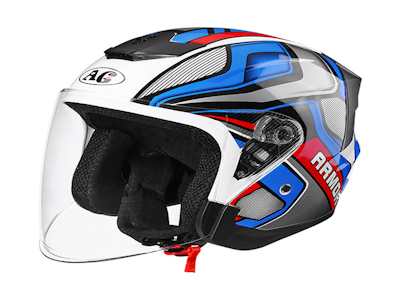
Чтобы понять, почему шлем необходимо заменять после серьезного падения, важно разобраться в его конструкции. Современный велосипедный шлем состоит из нескольких ключевых компонентов, каждый из которых играет vital роль в обеспечении безопасности. Внешняя оболочка, обычно изготовленная из поликарбоната или других прочных пластиков, предназначена для распределения ударной нагрузки и защиты от проколов или царапин. Под ней находится основной поглощающий слой, чаще всего из вспененного полистирола (EPS). Именно этот слой отвечает за гашение энергии удара путем деформации. При столкновении EPS пена сжимается, замедляя deceleration головы и reducing пиковую силу воздействия на череп. Дополнительно, многие шлемы имеют внутреннюю систему вентиляции и мягкие подушечки для comfort и стабилизации. Некоторые модели оснащены технологиями Multi-Directional Impact Protection System (MIPS), которые позволяют шлему slightly вращаться при ударе, further reducing rotational forces на мозг. Все эти элементы работают together как единый механизм, но их эффективность зависит от целостности материалов. После серьезного удара, EPS пена permanently сжимается или трескается, external shell может получить micro-fractures, и даже MIPS system может быть damaged. Это означает, что при следующем падении шлем не сможет perform как designed, leaving голову vulnerable. Производители тестируют шлемы на ударопоглощение using standardized tests, такие как those от Consumer Product Safety Commission (CPSC) или European Standard EN1078, но эти tests assume, что шлем используется только once для serious impact. Repeated use после damage значительно increases риск failure.
Почему шлем теряет эффективность после падения: научное обоснование
Научные исследования clearly демонстрируют, что велосипедный шлем designed to absorb energy through plastic deformation of the EPS foam. When a helmet experiences a significant impact, the foam cells collapse irreversibly. This process dissipates the kinetic energy that would otherwise be transferred to the skull and brain. However, once deformed, the foam cannot return to its original state or provide the same level of protection again. Studies conducted by institutions like the Virginia Tech Helmet Lab have shown that helmets subjected to multiple impacts exhibit a dramatic reduction in their ability to reduce head acceleration. In some cases, the protection can drop by over 50% after just one serious fall. Additionally, the outer shell may develop hairline cracks that are not visible to the naked eye but compromise its integrity. These cracks can propagate under stress, leading to catastrophic failure during a subsequent impact. The materials used in helmets, such as EPS, are chosen for their energy-absorbing properties but lack the elasticity to recover. This is why manufacturers and safety organizations universally recommend replacing a helmet after any crash where it has been hit, even if no visible damage is apparent. The cost of a new helmet is微不足ден compared to the potential medical expenses and lifelong consequences of a brain injury. Ignoring this advice based on a false sense of savings or attachment to an old helmet is a gamble with one's health that simply isn't worth taking.
Реальные случаи и последствия использования damaged шлема
Истории из реальной жизни starkly иллюстрируют опасности использования damaged шлема. Consider the case of John, an experienced cyclist from Colorado, who fell during a mountain bike race. His helmet had a visible dent, but he thought it was still usable for casual rides. Months later, during a minor tumble on a paved path, the helmet cracked upon impact, and he suffered a concussion that required weeks of recovery. In another instance, a study published in the Journal of Trauma and Acute Care Surgery analyzed bicycle accidents and found that cyclists wearing helmets with prior damage had a 30% higher incidence of severe head injuries compared to those with new helmets. These examples underscore that the absence of visible damage does not equate to safety. Micro-fractures in the foam or shell can weaken the structure, making it prone to failure under less severe impacts than the original crash. Furthermore, insurance companies often deny claims if it is discovered that a damaged helmet was used, as it constitutes negligence. The emotional and financial toll of such injuries can be devastating, affecting not only the individual but also their family. Prevention through timely replacement is a simple yet effective strategy to avoid these scenarios. Cycling communities and advocacy groups regularly share such stories to raise awareness and promote best practices. Remember, a helmet is a disposable safety device—its primary job is to sacrifice itself to protect you, and once it has done so, it's time to retire it with gratitude.
Как определить, нужна ли замена: признаки повреждения шлема
Определить,是否需要 заменить шлем после падения, может быть tricky, особенно если повреждения не очевидны. Однако есть several key signs to look for. First, inspect the outer shell for any cracks, dents, or deep scratches. Even small fissures can indicate structural weakness. Next, check the EPS foam layer by pressing on it gently; if it feels soft, compressed, or crumbly, it has likely been compromised. Pay attention to the straps and buckles—if they are frayed, stretched, or broken, the helmet may not stay securely on your head during a crash. Additionally, after any significant impact, the inner lining might show signs of displacement or damage. Some modern helmets have impact indicators that change color upon deformation, providing a clear visual cue for replacement. If you are unsure, it's always better to err on the side of caution and replace the helmet. Manufacturers often provide guidelines, such as replacing the helmet after any crash or every 3-5 years due to material degradation from UV exposure and sweat. Keep in mind that helmets are also affected by normal wear and tear; for example, if you've had it for several years and it's been exposed to sun and rain, the materials may have weakened even without a crash. When in doubt, consult with a professional at a bike shop or refer to the helmet's manual. Investing in a new helmet is a small price to pay for peace of mind and continued protection on the road.
Практические советы по выбору нового шлема и уходу за ним
После принятия решения о замене шлема, важно выбрать модель, которая обеспечит оптимальную protection и comfort. Start by ensuring the helmet meets safety standards such as CPSC, EN1078, or other local certifications. Look for features like MIPS or similar technologies that reduce rotational forces, which are particularly important for preventing brain injuries. Fit is crucial—the helmet should sit level on your head, with the front edge about two finger-widths above your eyebrows, and the straps should form a V-shape under your ears without being too tight. Try on multiple models to find one that feels secure and comfortable. Ventilation is another factor to consider, especially for long rides in warm weather. Once you have a new helmet, proper care can extend its lifespan. Store it in a cool, dry place away from direct sunlight, as UV rays can degrade the materials over time. Clean it regularly with mild soap and water, avoiding harsh chemicals that might damage the foam or shell. Avoid dropping it or exposing it to impacts unnecessarily. Remember, even without a crash, helmets should be replaced every 3-5 years due to material aging. Keep a record of the purchase date to track its age. By following these tips, you can maximize the safety benefits of your helmet and ensure it's always ready to protect you when needed. Cycling is a joyful activity, and with the right gear and habits, you can enjoy it safely for years to come.
Заключение: приоритет безопасности над экономией
В заключение, замена велосипедного шлема после серьезного падения — это не просто рекомендация, а necessity, основанная на solid scientific evidence и реальном опыте. Шлемы designed to absorb impact through irreversible deformation, и после этого они не могут предоставить adequate protection. Игнорирование этого факта подвергает велосипедиста риску тяжелых травм, которые могут иметь долгосрочные последствия для здоровья и качества жизни. Стоимость нового шлема negligible compared to potential medical bills, lost income, and personal suffering. As responsible cyclists, we must prioritize safety over short-term savings or sentimental attachment to old gear. Spread awareness within your cycling community, encourage others to inspect and replace their helmets when needed, and always lead by example. Remember, a helmet is your best ally on the road—treat it with respect, and it will do its job to keep you safe. Ride smart, ride safe, and enjoy the journey with confidence.